🐾 Born alone, survives alone—this animal’s life is brutal: Snow leopard
Primary subject: Snow leopard
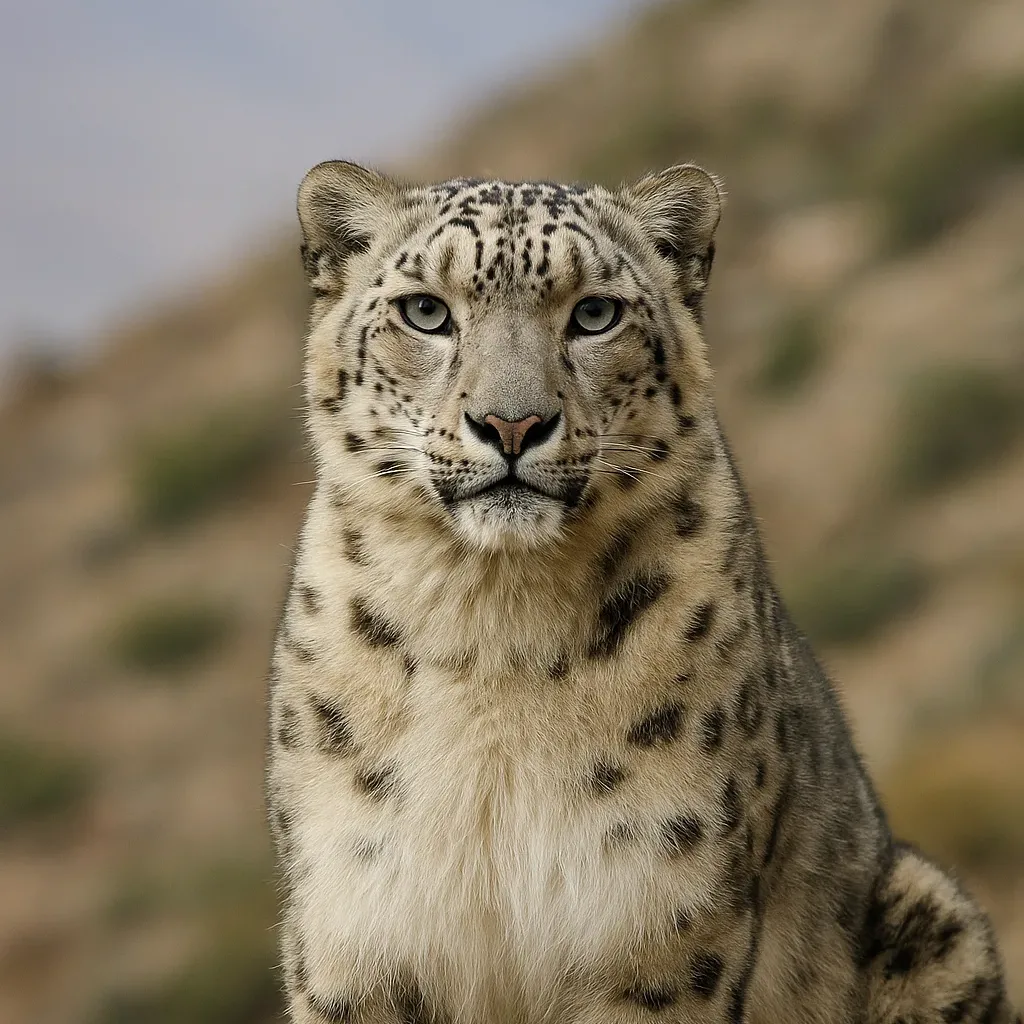
The snow leopard, known scientifically as Panthera uncia, leads a solitary and tough life. Born in the remote, rugged terrains of Central Asia, snow leopards face staggering conditions from birth, requiring them to be independent. Their survival is largely due to their solitary nature and highly specialized adaptations to the harsh mountainous environment.
🔎 Key Takeaways
- Snow leopards are adapted to survive alone in extreme mountainous conditions.
- This solitary life is crucial for minimizing competition and maximizing survival in sparse habitats.
- Snow leopards can leap up to 50 feet in a single bound, aiding them in navigating their rugged environment.
- They inhabit altitudes ranging from about 9,800 to 17,000 feet, where the oxygen level is low, and temperatures can drop drastically.
🧬 Why It Happens
Snow leopards are born in some of the most inhospitable environments on earth, ranging from the mountain ranges of Central Asia, where resources are scarce. This necessitates a solitary lifestyle to reduce competition for limited prey. Their incredible ability to leap up to 50 feet allows them to efficiently navigate these rugged terrains, crucial for both hunting and avoiding potential threats from larger predators.
Their thick fur, with dense undercoats and unique rosettes, provides excellent camouflage and insulation against freezing temperatures that can often plummet below -40 degrees Fahrenheit. The snow leopard's well-adapted respiratory system also allows it to thrive at high altitudes, from about 9,800 to 17,000 feet, where oxygen levels are significantly lower compared to sea level.
With territories spanning up to 200 square miles, snow leopards must cover vast areas alone to find food. The solitary nature reduces intragroup competition, essential in a habitat where encountering another snow leopard is a rare occurrence.
🌍 Where You Might See It
Snow leopards are found in the high-altitude mountainous regions of Central Asia, including the Himalayas in Bhutan, Nepal, and India, and are also present across Tajikistan, Uzbekistan, and China. They thrive in landscapes with steep, rugged cliffs, ridges, and rocky outcrops, which serve as perfect stalking grounds for these elusive hunters.
⚠️ Practical Caution
- If trekking in snow leopard habitats, maintain a respectful distance from wildlife to minimize disturbance.
- Remain aware of your surroundings, particularly in areas known for snow leopard presence.
- Travel in groups when possible, as this can deter animal encounters.
- Do not attempt to track or approach snow leopards aimlessly; always follow local expert guidance.
- Protect and secure food items, as they can attract wildlife, leading to unwanted encounters.
- Document and report any sightings to local conservation groups to aid in population monitoring.
In general, keeping a safe distance and respecting the snow leopard's natural habitat are key for both personal safety and the animal's preservation. Always follow local guidelines and expert advice when in snow leopard territories.
Explore more about wildlife and conservation tips by visiting our homepage: https://animalsguidebook.com