🐾 The animal that mates for life (true loyalty): Albatross
Primary subject: Albatross — Diomedeidae
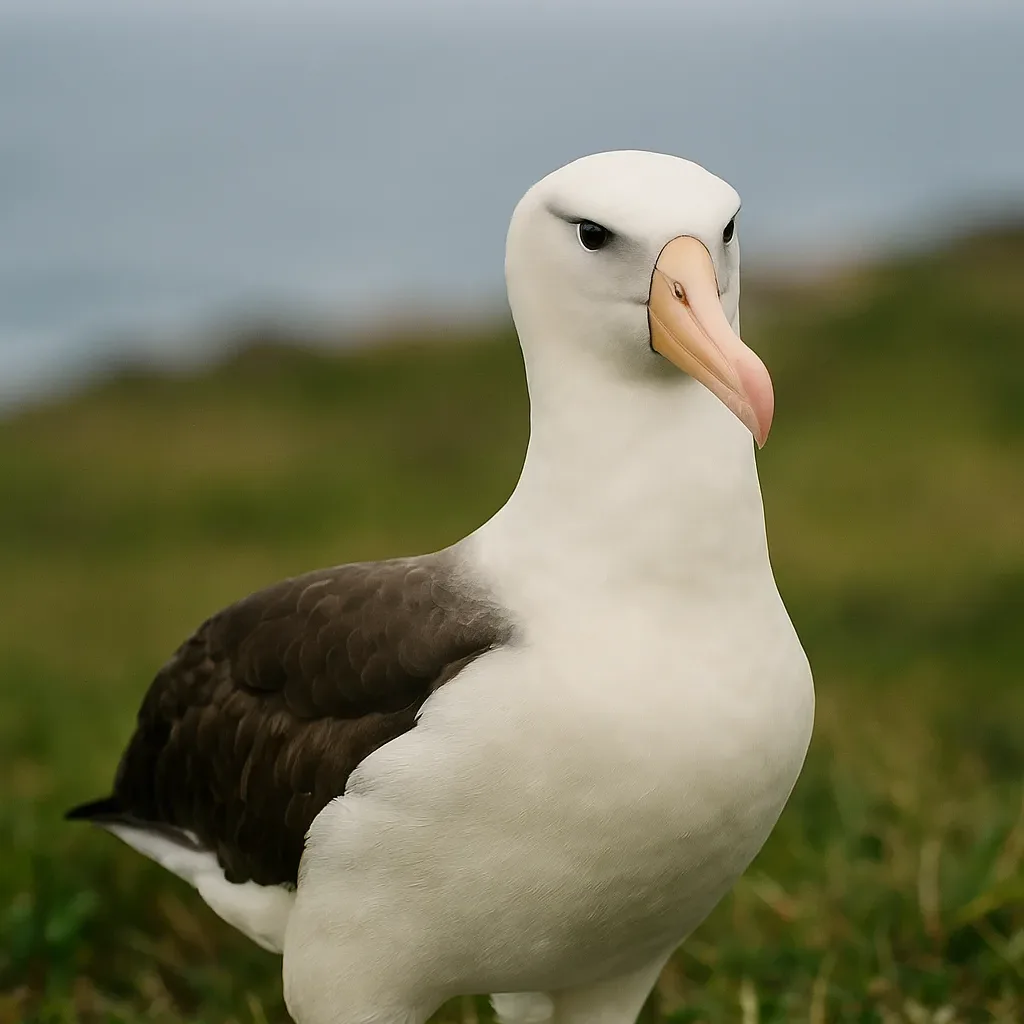
The albatross is the quintessential symbol of lifelong partnership in the animal kingdom, renowned for its remarkable fidelity. These majestic seabirds form enduring bonds that often last until one partner dies, showcasing their loyalty through shared care and cooperative living.
🔎 Key Takeaways
- The albatross mates for life, exemplifying true loyalty in the animal world.
- Their strong pair bonds help ensure cooperative chick-rearing and successful foraging.
- Albatrosses have wingspans that can reach up to 3.5 meters, allowing them to glide great distances together.
- They can live for over 50 years, spending much of their life with a single mate.
🧬 Why It Happens
Thelongevity of the albatross's life, often extending beyond 50 years, allows sufficient time to form and maintain deep bonds. Their extended lifespan ensures that pair bonding is evolutionarily advantageous, enhancing survival and success in raising offspring.
Albatrosses demonstrate elaborate courtship dances that strengthen these bonds over many years. These rituals involve synchronized movements and vocalizations, which play a critical role in pair maintenance and reaffirmation.
Their strong relationships enable albatross pairs to effectively coordinate during long foraging trips. Both parents share in incubation and feeding duties, maximizing chick survival rates. Albatrosses, given their large wingspans, can travel vast oceanic distances, ensuring access to abundant food resources for their young.
🌍 Where You Might See It
Albatrosses are most commonly found in the Southern Ocean and North Pacific, often inhabiting remote island territories. They are pelagic birds, meaning they spend the majority of their time in open sea environments, returning to land primarily for breeding purposes.
⚠️ Practical Caution
- Observe albatrosses from a respectful distance to avoid disturbing their natural behaviors.
- Refrain from feeding or attempting to touch these birds, which can disrupt their feeding and breeding habits.
- Follow local wildlife viewing guidelines to ensure the conservation of these majestic creatures.
- Consider joining guided wildlife tours where regulations are enforced to ensure ethical wildlife watching.
- Use binoculars for a closer look without invading their habitat or interfering with their routine.
In general, maintaining a respectful distance and adhering to local guidelines ensures the sustainable observation of albatrosses and supports their conservation.
To learn more about incredible animals and their fascinating behaviors, visit Animal Guidebook.