🐾 The strange trick this animal uses to hide its babies: White-tailed deer
Primary subject: White-tailed deer — Odocoileus virginianus
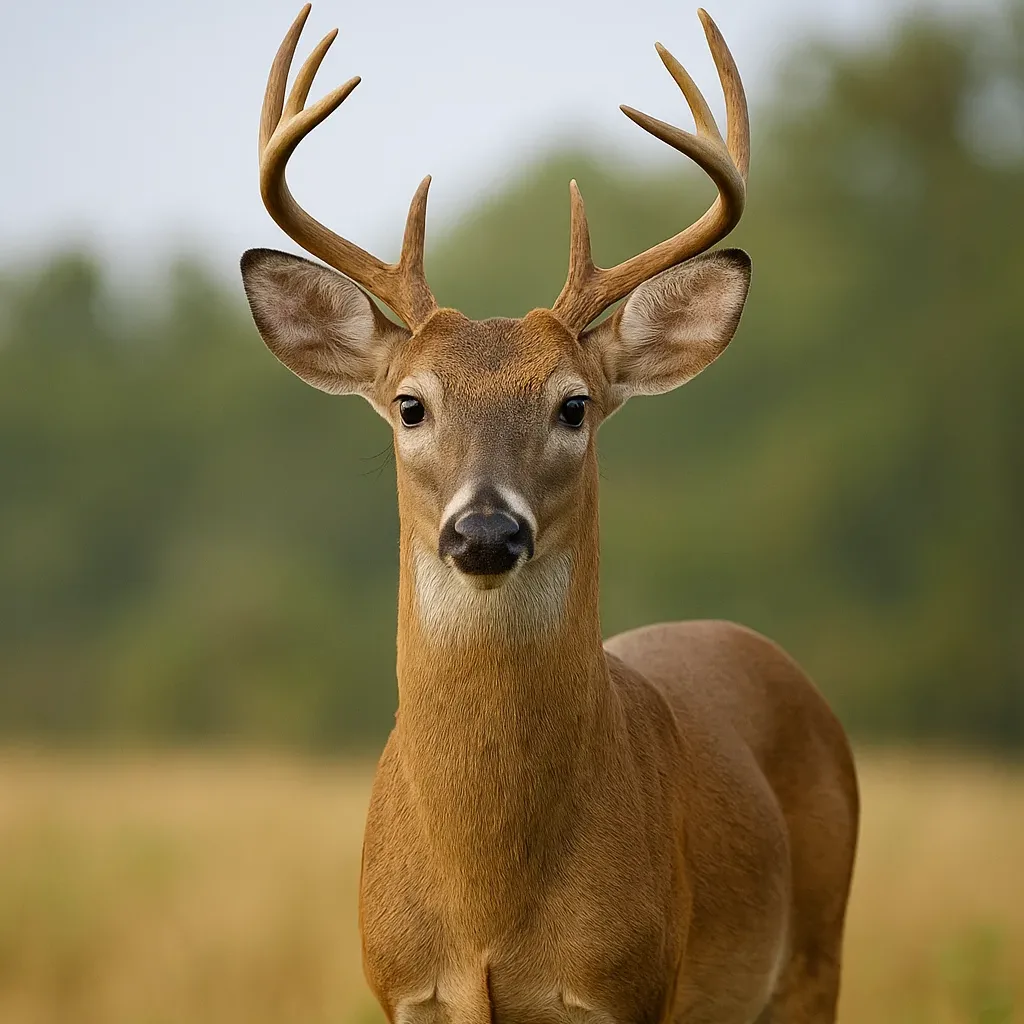
White-tailed deer have a unique strategy to protect their vulnerable fawns: they hide them in plain sight by utilizing the fawn's natural camouflage and staying away from them. This behavior minimizes the chance of predators detecting the fawn due to the lack of the mother's scent nearby.
🔎 Key Takeaways
- White-tailed deer conceal their fawns by leaving them alone in dense vegetation.
- This helps prevent predators from catching the mother's scent near the fawn.
- Fawns weigh about 4–8 pounds at birth, making them small and easier to hide in the underbrush.
- On average, white-tailed deer fawns can remain undetected due to their cryptic coat pattern that blends with the forest floor.
🧬 Why It Happens
White-tailed deer have evolved this protective behavior because fawns are most vulnerable during their first two weeks after birth when they lack the speed and agility to evade predators. The fawn’s spotted coat resembles sunlight filtering through leaves, providing visual camouflage.
By distancing themselves from their offspring, mother deer greatly reduce the possibility of a predator detecting their scent near the fawn’s location. Adult deer can weigh between 100 to 300 pounds and pose a much higher scent profile, making the absence of their scent crucial for fawn survival.
This strategy allows the fawns to capitalize on the natural cover provided by their environment, such as tall grass and dense foliage, offering them a higher survival chance until they are capable of escaping predators on their own.
🌍 Where You Might See It
White-tailed deer can be found throughout North America, from southern Canada to parts of South America. They favor various habitats, including forests, fields, and even urban areas. This hiding behavior is most common in late spring and early summer when fawns are born.
⚠️ Practical Caution
- Keep a safe distance if you encounter a fawn alone; the mother is likely nearby.
- Do not attempt to move the fawn; moving it can increase its vulnerability.
- Avoid handling fawns to prevent transmitting human scent to them.
- In general, observe quietly and allow the natural process to unfold without interference.
- Follow local wildlife guidelines on how to interact with or report wildlife sightings.
Maintaining distance and calm behavior is important to ensure the safety of wildlife. Always adhere to local guidance and regulations when encountering wild animals.
For more fascinating insights into the animal kingdom, visit our homepage at AnimalsGuidebook.com.