🐾 Hear this sound and your body freezes: Rattlesnake
Primary subject: Rattlesnake — Crotalus spp.
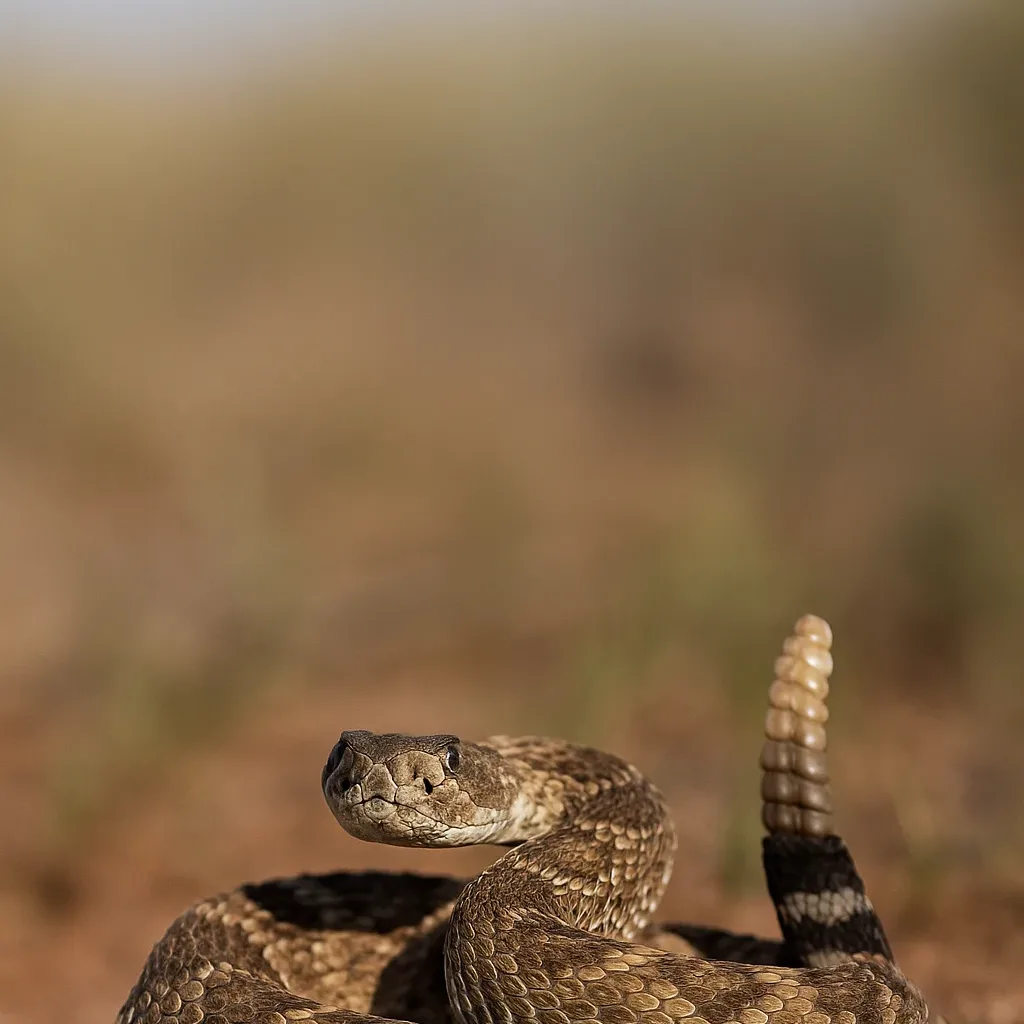
When you hear the distinctive rattling sound of a rattlesnake, it can make you freeze in your tracks. This iconic warning, emitted from a structure on its tail, serves as a well-known cue to pause and take immediate caution. The rattling noise is a defense mechanism, signaling to potential threats that they should keep their distance, giving the rattlesnake a chance to avoid unnecessary confrontations.
🔎 Key Takeaways
- The sound of a rattlesnake's rattle is a natural warning signal.
- The primary purpose is to deter predators or threats by alerting them from a safe distance.
- The rattlesnake's rattle can produce sound frequencies ranging from approximately 2,500 to 3,000 hertz, which are easily detectable by human ears.
- A rattlesnake’s strike can reach speeds of around 5 to 6 meters per second, making it one of the fastest strikes among venomous snakes.
🧬 Why It Happens
The rattlesnake uses its rattle as a defense strategy. When threatened, muscles at the base of the rattle cause its segments to vibrate rapidly, creating a buzzing sound. This vibration acts as an acoustic shield, providing the snake a chance to ward off predators without expending energy in physical conflict.
The rapid movement and sound production are a result of specialized shaker muscles, which are some of the fastest known vertebrate muscles, allowing for the rapid shaking of the rattle up to 90 times per second. This efficiency allows rattlesnakes to signal potential dangers effectively before deciding whether to flee or strike.
Rattlesnakes are highly specialized and equipped with potent venom that they prefer to conserve for hunting rather than defense. This makes the rattle a crucial component of their survival strategy, minimizing unnecessary use of energy and venom.
🌍 Where You Might See It
Rattlesnakes are commonly found in North and South America, particularly in regions like deserts, grasslands, and forests. They are most often encountered in warmer climates and tend to be more active in the spring and summer months when they are either searching for prey or a mate.
⚠️ Practical Caution
- If you hear a rattling sound, stop and locate the direction of the sound carefully without making sudden movements.
- Slowly and calmly back away from the direction of the rattling noise.
- Maintain a safe distance (at least several meters) from the snake to avoid provoking it.
- In general, do not attempt to handle or capture the snake.
- Stay on clear paths when hiking and avoid tall grass where rattlesnakes might be camouflaged.
- Wear boots and long pants when walking in areas known to have rattlesnakes.
By maintaining a calm demeanor and careful movements, you lessen the risk of a rattlesnake encounter escalating. Always follow local wildlife guidance to ensure both your safety and the protection of these fascinating reptiles.
For more fascinating insights into the animal kingdom, visit AnimalsGuidebook.com.