🐾 If you see this track, it might already be too late: Polar bear
Primary subject: Polar Bear — Ursus maritimus
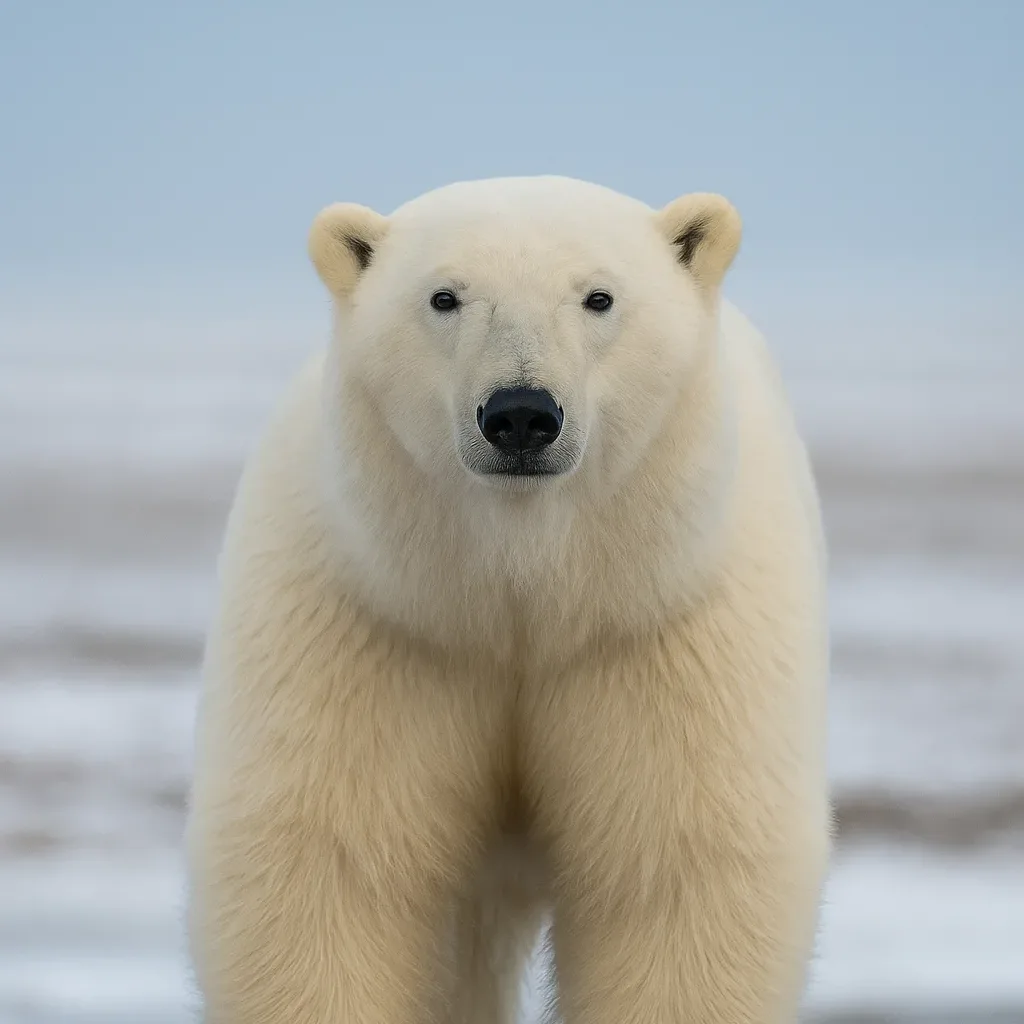
Polar bears are the world’s largest terrestrial carnivores, and their tracks are a serious indicator of their presence. If you encounter the large, circular tracks of a polar bear, it might be a late warning sign—they are usually close by if tracks are fresh. This is because polar bears are proficient hunters that rely on stealth and can detect potential prey from miles away.
🔎 Key Takeaways
- If you see polar bear tracks, the animal may already be nearby.
- Polar bears are expert hunters and often close to their tracks.
- They can weigh up to about 1,500 pounds, over six times the average human weight.
- Polar bears can reportedly sniff out seals nearly a mile away.
🧬 Why It Happens
Polar bears are adapted for life on the icy landscapes of the Arctic. They have large paws that help distribute their weight across thin ice and leave distinctive tracks in the snow. A polar bear’s paw can be as large as 12 inches across, which helps them move silently and efficiently.
Their sense of smell is incredibly keen, allowing them to detect seals nearly a mile away. This heightened olfactory capability aids in locating both food and threats, emphasizing that if you notice their tracks, it's reasonable to assume they are not far off.
Moreover, polar bears are excellent swimmers, able to cover long distances up to 60 miles without resting, using their front paws for propulsion. This means they can range far and their tracks could appear anywhere within colder regions and near water bodies where they hunt.
🌍 Where You Might See It
Polar bear tracks are primarily found in Arctic regions where ice and snow dominate the landscape. They are often near seal breathing holes or along icy coastlines. Human encounters usually occur in these remote and extreme environments, where bears are searching for food.
⚠️ Practical Caution
- Maintain a safe distance from any polar bear tracks.
- Remain calm and avoid sudden movements if you sense a bear nearby.
- Back away slowly without turning your back on the perceived location of the bear.
- Make noise to avoid surprising a bear if you suspect it's close.
- Secure any food, and follow local guidelines on bear safety.
It's important to reinforce that maintaining distance and behaving calmly are crucial. Always adhere to local safety protocols when in polar bear habitats.
For more wildlife knowledge, visit our homepage at AnimalsGuidebook.com.