🐾 The behavior it shows right before a strike: Cobra
Primary subject: Cobra — Naja
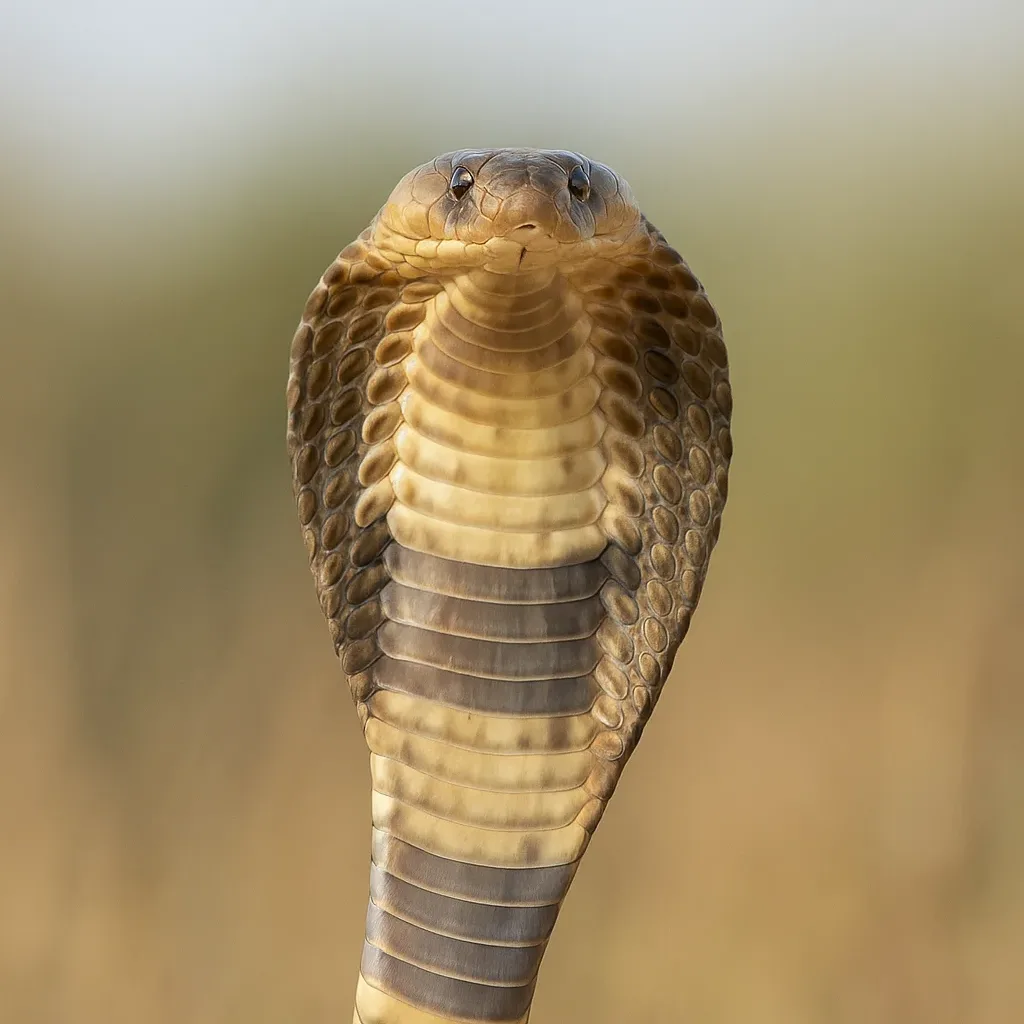
The cobra, known scientifically as Naja, exhibits a distinctive behavior before a strike: it raises the anterior part of its body, expands its hood, and often hisses as a warning. This behavior serves as both a defensive posture and an intimidation strategy to ward off potential threats.
🔎 Key Takeaways
- Cobras display a raised body and expanded hood right before striking.
- This behavior primarily serves to intimidate and warn potential predators or threats.
- Roughly 300–450 mg of venom can be delivered in a single cobra bite, varying by species.
- The hood can spread up to around one-third of the cobra's body size, making it visually intimidating.
🧬 Why It Happens
The cobra's iconic hood and rising display are facilitated by its long neck ribs, which spread the skin to create a dramatic visual enlargement. This biological adaptation helps maximize its deterrent capability without immediate aggression.
Cobras often exhibit this behavior when feeling threatened or cornered. By showcasing their size and delivering an audible hiss, they signal their readiness to defend, deterring many animals and humans from getting closer.
Additionally, the visual and auditory cues from a cobra are evolutionarily designed to give intruders a final chance to retreat. A typical cobra venom yield of about 300–450 mg makes each strike potentially lethal, backing up their defensive display with considerable potency.
🌍 Where You Might See It
Cobras inhabit regions typically spanning Africa and Asia, thriving in diverse environments such as forests, grasslands, and nurtured areas near human dwellings. This behavior is most often observed when a human or large animal inadvertently approaches a cobra in its natural setting or when it feels trapped.
⚠️ Practical Caution
- Keep a safe and respectful distance if you encounter a cobra exhibiting its hood display.
- Remain calm and back away slowly to avoid provoking the snake.
- Avoid sudden movements that might trigger a defensive response.
- Follow local wildlife guidance about cobra encounters in your region.
- Stay informed about local emergency services in case of snake encounters.
- Educate others in your area about the presence of cobras to mitigate risks.
Staying calm and maintaining a safe distance is crucial when encountering cobras. Always follow local guidelines to ensure a safe interaction with wildlife.
For more intriguing wildlife behaviors and safety tips, visit our homepage at AnimalsGuidebook.com.