🐾 The most chilling call in the wild: Wolf
Primary subject: Wolf — Canis lupus
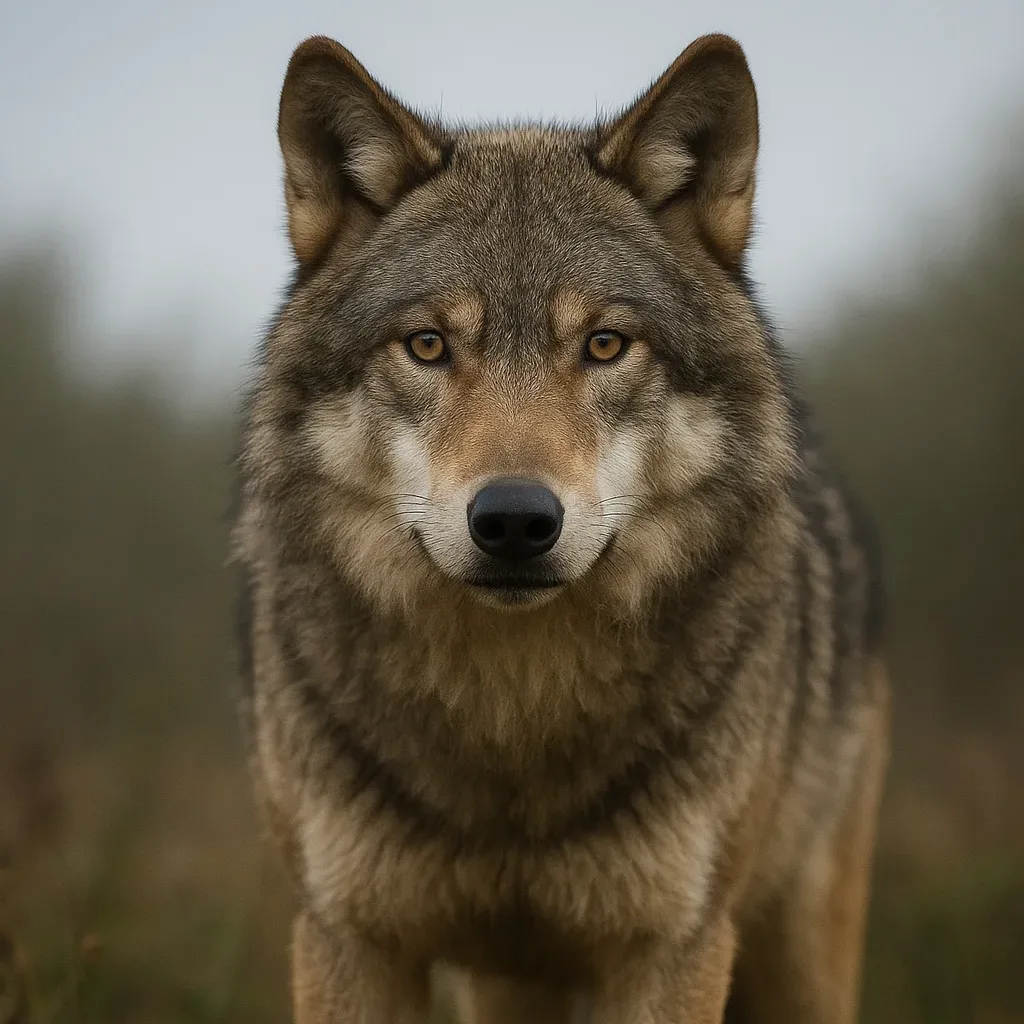
The most chilling call in the wild is that of the wolf, known for its haunting howls reverberating across forests and open landscapes. Wolves communicate through these howls to establish territory and coordinate pack activities. This vocal communication is vital in maintaining their social structure and survival in the wild.
🔎 Key Takeaways
- The wolf's howl is considered one of the most chilling calls in the wild.
- Howling helps wolves communicate across vast distances to maintain pack cohesion and territory.
- A wolf's howl can travel up to 6 miles (10 km) in forested areas.
- Wolves typically weigh between 40 to 175 pounds (18 to 79 kg), roughly the weight of a large dog.
🧬 Why It Happens
Wolves howl for several reasons, including to communicate location, summon members, or warn rival packs. This behavior is crucial for wolves due to their pack-oriented social structure. By howling, they ensure every pack member knows their relative position, which is essential for coordinated hunting and protection.
Howling also serves to demarcate territory, signaling to other wolves to keep their distance. This reduces the risk of conflict between different packs competing for the same resources. Wolves' acute hearing capabilities allow them to perceive these vocalizations over great distances.
Biologically, the structure of a wolf's vocal cords supports its unique howling abilities. This adaptation allows them to produce a wide range of frequencies, which is useful for communication over long distances, especially in dense forests or open tundra.
🌍 Where You Might See It
Wolves inhabit diverse environments ranging from North American woodlands to the expansive tundras of Russia and Canada. Typically, they are more active during dusk and dawn. Areas with large, uninterrupted habitats are ideal places to witness or hear wolf howling.
⚠️ Practical Caution
- In general, maintain a safe distance if you hear wolves howling nearby.
- Do not provoke or attempt to approach a wolf pack, especially during active periods.
- In areas known for wolf activity, follow local guidelines to avoid encounters.
- Secure food and garbage when camping to prevent attracting wolves.
- If encountered, remain calm and slowly back away while maintaining eye contact.
Maintaining distance and practicing calm behavior are often key to preventing negative interactions with wolves. Always follow local guidance and wilderness regulations for safety.
For more detailed information on wolves and other fascinating wildlife, visit AnimalsGuidebook.com.