🐾 The sound it makes right before it attacks: Alligator
Primary subject: Alligator — Alligator mississippiensis
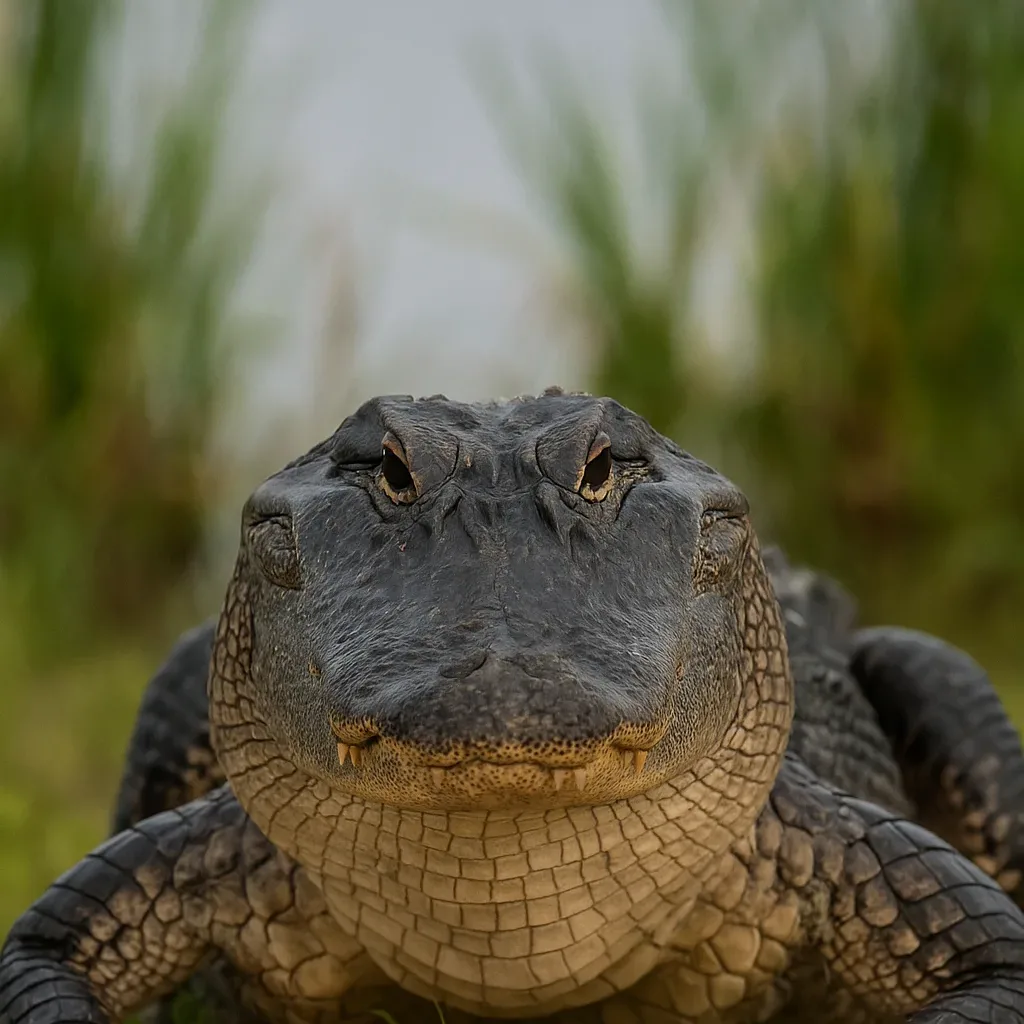
Alligators often emit a low growl or hiss as a warning sign before they launch an attack. This vocalization, known as a bellow, is a crucial part of their behavior aimed at demonstrating dominance and announcing territorial claims. The sound is a clear indicator to back off as the alligator feels threatened or provoked.
🔎 Key Takeaways
- Alligators bellow or hiss as a warning signal before attacking.
- This sound indicates that the alligator is feeling threatened or protecting its territory.
- The bite force of an alligator can range between 2,125 to 2,980 psi, several times the strength of a human bite.
- Alligators can grow up to 13 to 15 feet in length, weighing more than 1,000 pounds, making them formidable predators.
🧬 Why It Happens
Alligators use sounds like hissing and bellowing to communicate distress or dominance in their often densely populated aquatic habitats. These sounds serve as auditory cues for potential threats or rival males to steer clear. By emitting such low-frequency sounds, alligators can communicate their presence across long distances through the water.
The mechanism behind this intimidating sound involves the alligator forcing air through its larynx. This sound becomes louder as it resonates through the alligator's lungs and bony skull, acting like an amplifier. These sounds are especially common during mating seasons, but they also serve as a general warning to any creatures encroaching upon their domain.
🌍 Where You Might See It
Alligators are commonly found in freshwater environments like ponds, marshes, and rivers across the southeastern United States, notably in Florida and Louisiana. They are opportunistic feeders with habitats often near human-populated areas, increasing the chance of encounters. Their vocal warnings are most frequently observed when humans approach nesting sites or challenge their space.
⚠️ Practical Caution
- Keep a safe distance: alligators can lunge several feet at incredible speeds.
- Remain calm and do not provoke the animal by throwing objects or making loud noises.
- Avoid swimming or wading in waters known to be inhabited by alligators, especially at dusk or night.
- Heed all local warnings and guidelines regarding alligator presence.
- Be vigilant during the mating season, typically spanning from late spring to early summer.
- Do not attempt to feed alligators, as this can make them associate humans with food.
In general, by respecting alligator habitats and maintaining a safe distance, the chances of negative encounters can be minimized. Always follow local authorities' advice when living near or visiting regions with known alligator populations.
For more fascinating insights into the animal kingdom, visit AnimalsGuidebook.com.