🐾 The warning signs a predator is watching you: Mountain lion
Primary subject: Mountain Lion — Puma concolor
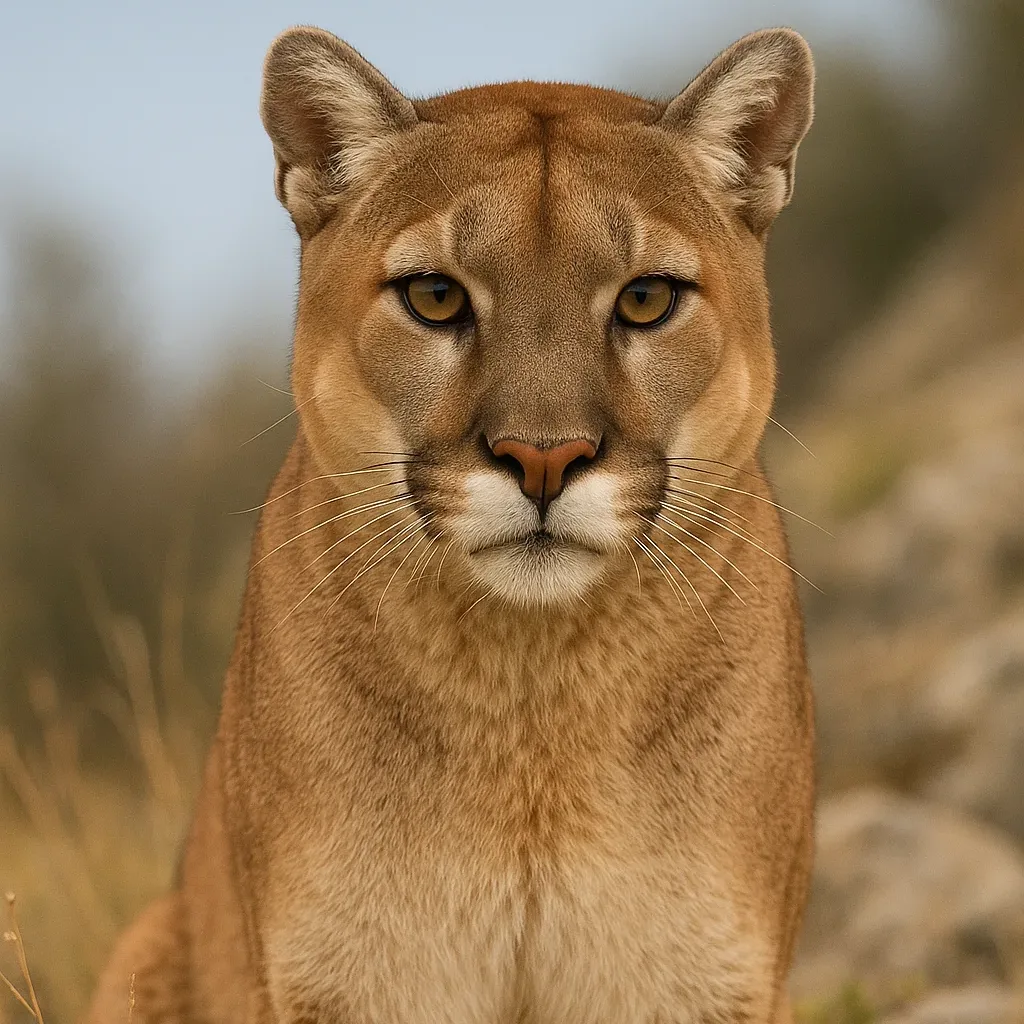
When a mountain lion is watching you, the first signs might not be direct; instead, you'll often feel a sense of unease or spot subtle movement from the corner of your eye. The core explanation is the stealth nature of these predators—they rely on camouflage and expert stalking skills. Recognizing these signs early is crucial for ensuring safety in their habitats.
🔎 Key Takeaways
- Mountain lions often remain unseen, but subtle signs may indicate their presence.
- Their expert camouflage and stealth allow them to stalk prey undetected.
- Mountain lions can leap up to 15 feet high and cover distances of up to 40 feet in a single bound.
- Generally, they weigh between 75 to 150 pounds, comparable to a large dog.
🧬 Why It Happens
Mountain lions are master stalkers, relying on their strong stealth capabilities fostered by physical adaptations. Their tawny fur perfectly blends with forested and mountainous terrain, making them nearly invisible in their native habitats. Combined with acute senses, they can silently approach their prey.
A mountain lion’s strength and agility are keys to their hunting success. Their muscular legs enable impressive leaping abilities; they can jump over 15 feet vertically and cover spans of around 40 feet horizontally. This allows them to reach their prey swiftly, minimizing the chance of escape.
Their stealthy nature is not just about physical prowess but is also evident in their behavioral patterns. Mountain lions are primarily solitary and crepuscular, meaning they are most active during dawn and dusk when their hunting is less likely to be disrupted.
🌍 Where You Might See It
Mountain lions are found in diverse habitats across the Americas, from arid deserts to dense forests. They typically occupy territories with plenty of cover like brush or rocky outcrops where they can hide while hunting. Look for them in known wildlife territories, often public lands, and forested regions.
⚠️ Practical Caution
- Stay calm, and do not run; running might trigger a chase response.
- Make eye contact with the mountain lion and speak in a firm voice.
- Make yourself appear larger by raising your arms or opening your jacket.
- Slowly back away from the area while facing the mountain lion.
- Avoid hiking alone in areas known for mountain lion activity.
- Keep children and pets close and within sight at all times.
- Follow local wildlife guidance and safety recommendations in the region.
In general, maintaining a safe distance and staying vigilant in mountain lion habitats can help you avoid dangerous encounters. Keep calm and always adhere to guidance from local wildlife authorities.
For more information on wildlife and safety tips, visit our homepage: AnimalsGuidebook.com.