🐾 Nature’s tank in real life: Rhinoceros
Primary subject: Rhinoceros — Rhinocerotidae
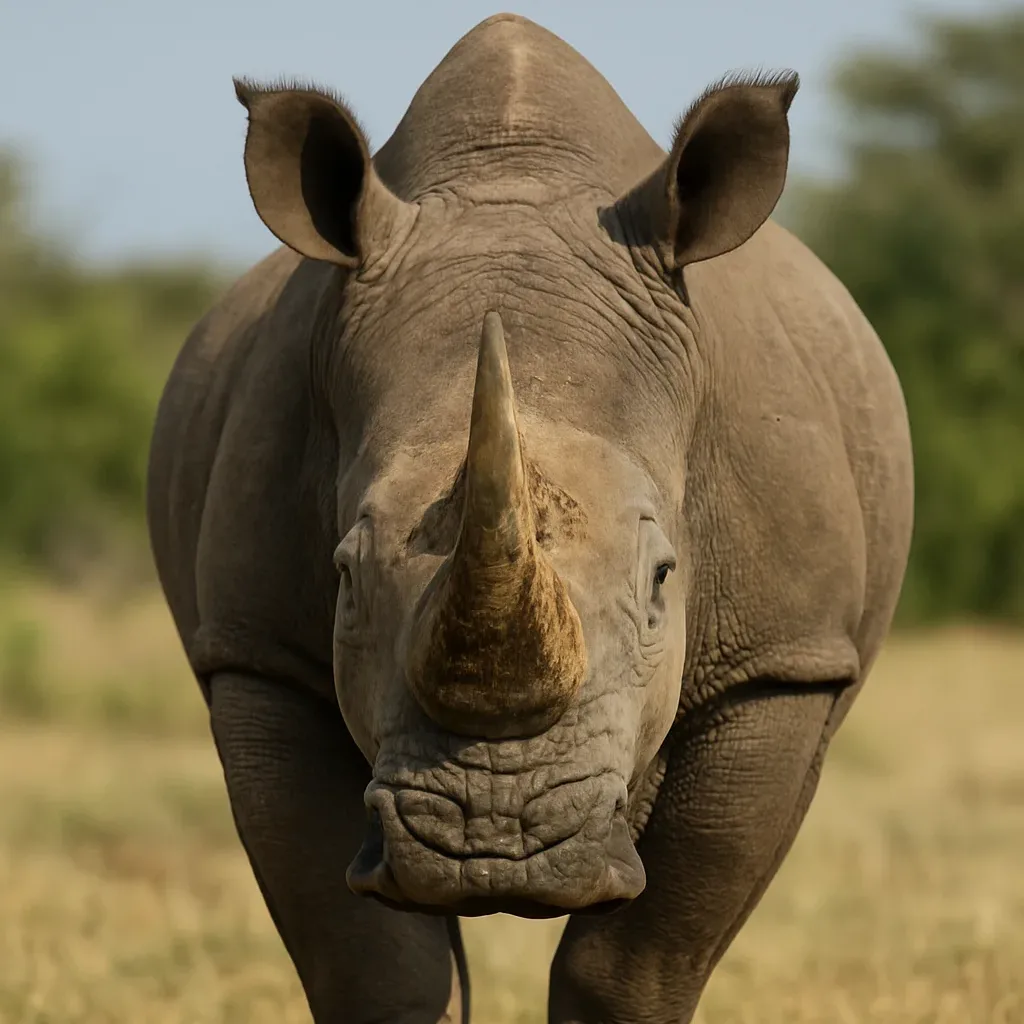
The rhinoceros, often referred to as "nature's tank" due to its massive body and thick, tough skin, is a formidable creature. These animals are equipped with a horn made of keratin, which they use for defense and dominance. Their sheer size and power make them appear indomitable in the wild.
🔎 Key Takeaways
- The rhinoceros is termed "nature's tank" because of its large size and protective armor-like skin.
- Their thick skin and horn afford both protection from predators and an advantage in territorial disputes.
- Rhinoceroses can weigh between 800 to 2,300 kilograms (1,800 to 5,000 pounds), comparable to the weight of a small car.
- Their body length ranges from about 3 to 4 meters (10 to 13 feet) long, depending on the species.
🧬 Why It Happens
Rhinoceroses are considered "nature's tank" largely due to their extraordinary physical attributes. The thick skin, often several centimeters thick, provides a natural shield against attacks from predators. Additionally, the keratin horn is not only used for defense but also plays a critical role in how they establish social hierarchy.
Their immense weight, ranging from 800 to 2,300 kilograms, coupled with their agility, allows them to trample threats if need be. Despite their size, rhinos can reach speeds of up to 50 kilometers per hour (31 mph) for short distances, which facilitates both aggressive charges and rapid retreats within their habitat.
Moreover, their dietary habits as herbivores involve grazing on vast amounts of vegetation, often influencing the ecosystem by controlling plant overgrowth and promoting biodiversity. This ecological impact further asserts their role as resilient and dominant inhabitants of their environment.
🌍 Where You Might See It
Rhinoceroses are commonly found in regions of Africa and parts of South Asia. They tend to inhabit savannas, grasslands, and dense forests where water is accessible. Encounters are typically in protected reserves or national parks, where conservation efforts help maintain their populations in the wild.
⚠️ Practical Caution
- Maintain a safe distance if viewing rhinoceroses in the wild or in reserves.
- Remain calm and avoid sudden movements that might startle them.
- In general, avoid physical barriers like fences, which might provoke defensive behavior.
- Follow the guidance of park rangers and experts when in conservation areas.
- Understand that rhinos may appear docile but can react rapidly if threatened.
- Practice respect for their space, especially during feeding times or when young calves are present.
It's crucial to maintain respect for these magnificent creatures by ensuring a respectful distance and adhering to local guidance, thereby minimizing danger to both humans and rhinos.
For more fascinating animal insights, visit our homepage: AnimalsGuidebook.com