🐾 Humans changed this animal’s behavior—here’s how: Coyote
Primary subject: Coyote — Canis latrans
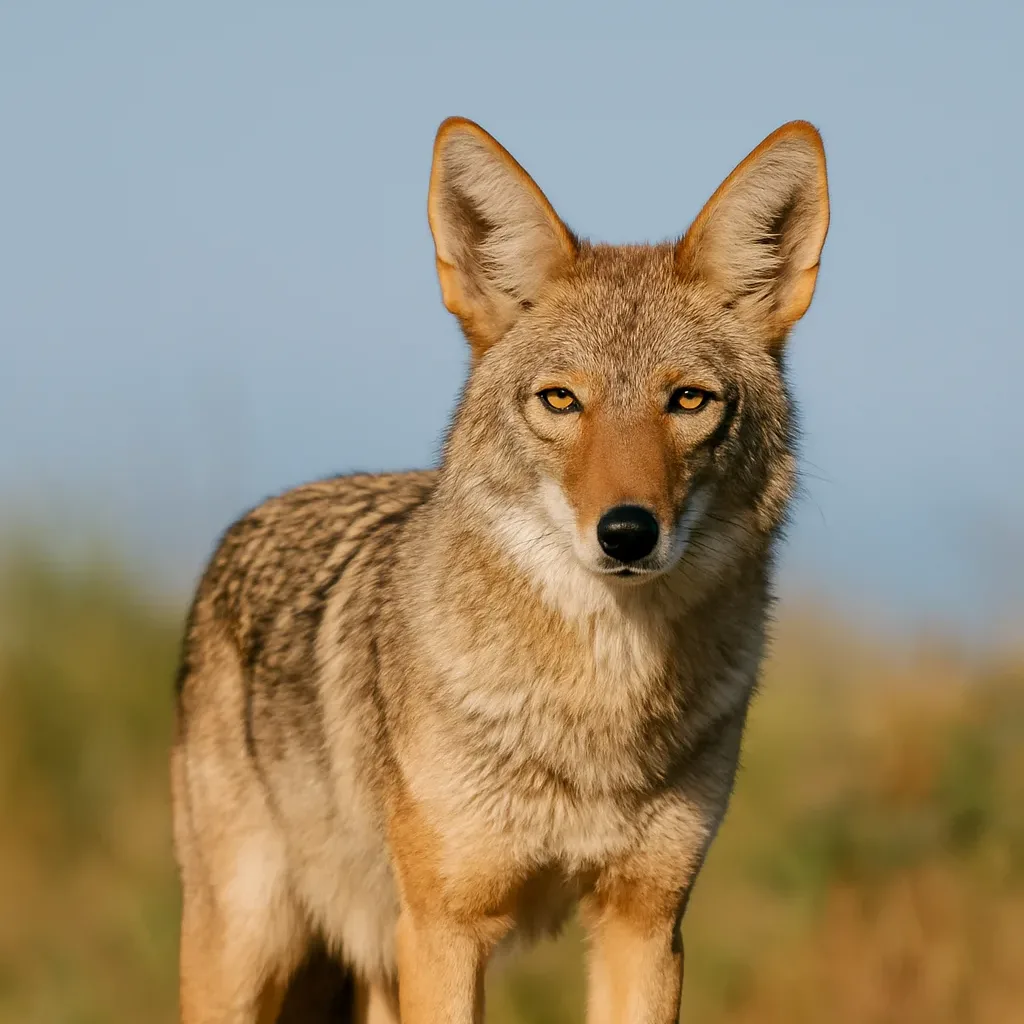
Coyotes have adapted to human environments by becoming more nocturnal and altering their diet. This shift primarily occurs because of human urbanization, prompting coyotes to avoid humans and forage at night. They have adjusted their behavior to survive and coexist with human activities.
🔎 Key Takeaways
- Coyotes have become more nocturnal due to human presence.
- The main reason is urbanization and increased human activity.
- Coyotes can travel up to 15 miles a day, indicating their adaptability and resourcefulness.
- Urban coyotes often consume human-associated food, making up about 25% of their diet in cities.
🧬 Why It Happens
As urban areas expand, coyotes have adapted by shifting their behavior patterns to avoid direct encounters with humans. This means they are more active at night to minimize contact. This behavioral change allows them to navigate urban landscapes more safely.
The dietary adaptation is crucial for their survival in cities. In rural settings, coyotes primarily hunt rodents and rabbits, but in urban environments, up to a quarter of their diet can consist of human-related food sources, such as garbage and pet food.
These behavioral adaptations, including changes in activity patterns and diet, demonstrate the coyote's adaptability. Coyotes are known for their ability to thrive in a wide range of environments, from deserts to suburban neighborhoods.
🌍 Where You Might See It
Coyotes are commonly found throughout North America, from rural wilderness to urban cityscapes. They are most visible at night or in the early morning, when human activity is minimal. Suburban and metropolitan areas provide ample food opportunities, further supporting their survival.
⚠️ Practical Caution
- Keep a safe distance and avoid approaching coyotes.
- Secure garbage and pet food to reduce attractants.
- Supervise pets, especially at night, to prevent encounters.
- Follow local wildlife guidelines and report any aggressive behavior to authorities.
- Educate others about coexistence strategies with urban wildlife.
In general, maintaining a respectful distance and securing food sources are key to safely coexisting with coyotes. Always follow local guidance on managing wildlife interactions.
Explore more about wildlife behavior and conservation at AnimalsGuidebook.com.