🐾 Never walk up for a photo with this animal: American bison
Primary subject: American bison — Bison bison
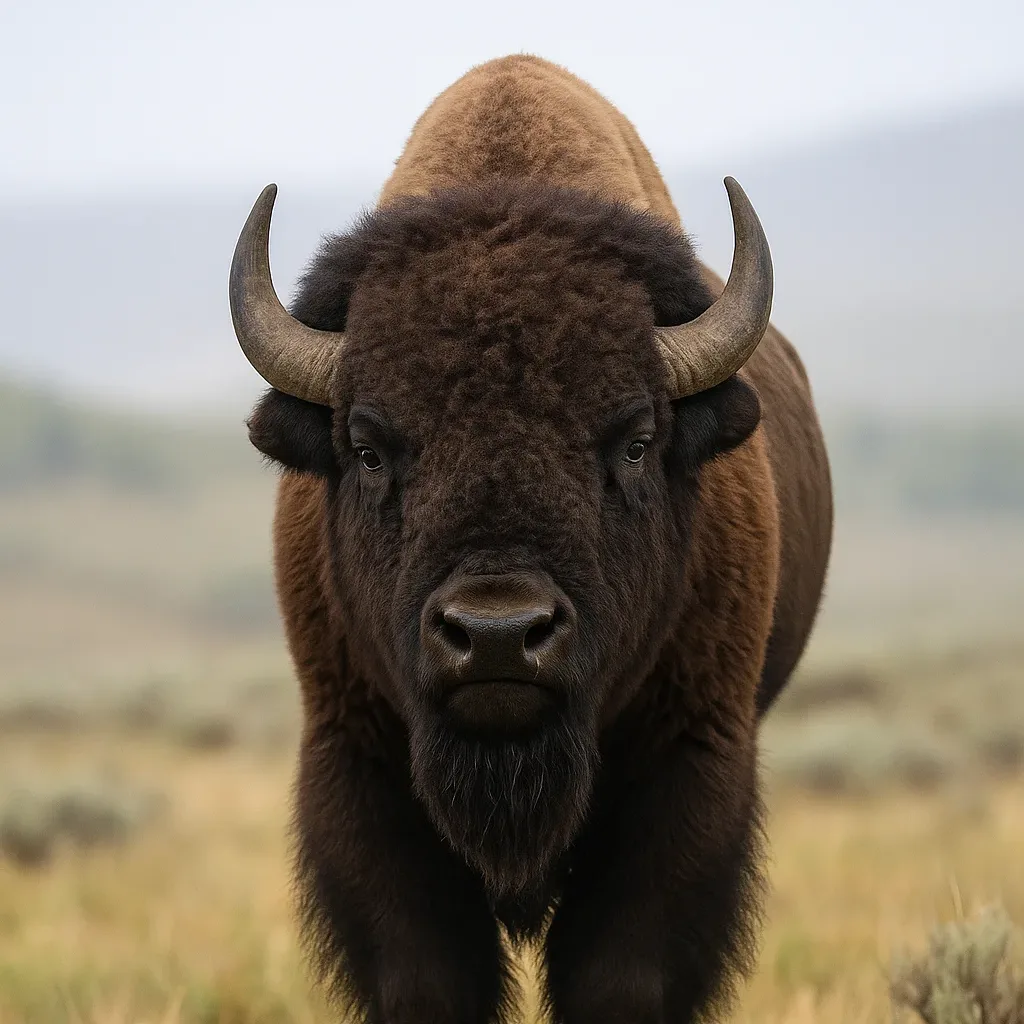
American bison are majestic yet highly unpredictable animals that should be admired from a distance. Approaching them for a photograph can lead to dangerous encounters as bison are known to act defensively when they feel threatened. Their massive size and strength make maintaining a respectful distance essential for human safety.
🔎 Key Takeaways
- Approaching American bison can be dangerous because they are unpredictable and capable of causing harm.
- Bison can charge at speeds of up to 35 miles per hour, much faster than most humans can run.
- Adult males can weigh up to 2,000 pounds, about the weight of a small car.
- A bison's protective nature over its herd makes it particularly aggressive if it senses a threat.
🧬 Why It Happens
American bison are naturally defensive creatures, particularly when protecting their young or when they perceive a threat. Their large size and sharp horns equip them well for defensive actions, making them unpredictable in close human interactions.
The physical power of bison is considerable. With adult males reaching weights of up to 2,000 pounds, they have the mass needed to overpower perceived threats. Moreover, their ability to charge at roughly 35 miles per hour adds to the danger of trying to approach them closely.
As herd animals, bison have evolved strong protective instincts. This social behavior means that any sudden movements or gestures perceived as threatening can trigger a defensive reaction, often leading to aggressive displays or charges towards approaching humans.
🌍 Where You Might See It
American bison are commonly found in national parks and reserves across North America, especially in prairie and plains regions. These areas offer wide open spaces where bison can graze freely. Visitors to these regions often encounter bison in settings where they have become somewhat accustomed to human presence but remain wild and unpredictable.
⚠️ Practical Caution
- Always keep a safe distance, typically at least 100 yards, from bison.
- Use binoculars or zoom lenses if you wish to photograph them.
- Never approach a bison directly or attempt to feed them.
- Stay aware of your surroundings and watch for signs of agitation such as pawing the ground.
- If a bison begins to charge, try to retreat to a safe shelter as quickly as possible.
- Follow any local guidelines provided by park authorities for wildlife encounters.
Maintaining distance and remaining calm helps ensure both your safety and that of the bison. Always respect wildlife and adhere to local guidance to reduce the risk of incidents.
Explore more about fascinating animals on AnimalsGuidebook.com