🐾 The animal that doesn’t run from humans: Moose
Primary subject: Moose — Alces alces
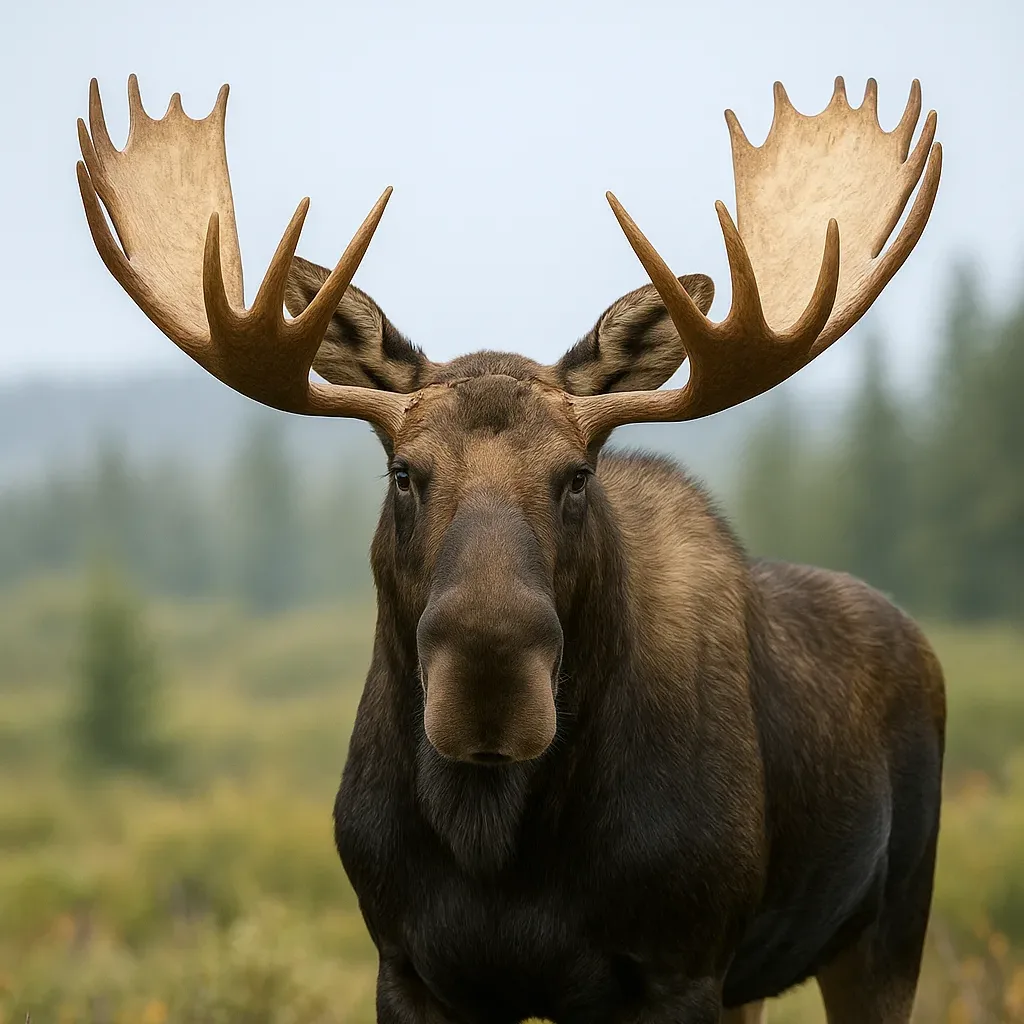
The moose is widely recognized as an animal that does not typically flee from humans. Its sheer size and inherent confidence in its environment mean it often stands its ground rather than running away. Unlike smaller animals that rely on speed or concealment to escape danger, the moose depends on its intimidating presence to deter intruders.
🔎 Key Takeaways
- Moose often do not run from humans, especially when they perceive no immediate threat.
- This behavior is largely due to their impressive size and lack of natural predators.
- The average adult moose weighs approximately 800–1,500 pounds, making it one of the largest mammals in North America.
- A moose can run at speeds of up to 35 miles per hour, but prefers to stand its ground if not aggressively challenged.
🧬 Why It Happens
Moose are massive creatures, with adult males known as bulls sometimes reaching over 6 feet at the shoulder. This size offers them protection against many potential threats as few predators can challenge them, excluding humans and large packs of wolves.
Moose evolved in regions with limited natural predators, contributing to their confidence. While they can run swiftly, their preferred defense often involves using their powerful legs and strong antlers to deter threats rather than fleeing.
Moreover, moose have poor eyesight but acute hearing and sense of smell, allowing them to detect potential threats in their environment. This sensory adaptation often informs them when maintaining their ground might be safer than running blindly.
🌍 Where You Might See It
Moose inhabit boreal and mixed deciduous forests in the Northern Hemisphere, frequently found in the northern regions of North America, Europe, and Asia. They are commonly seen near bodies of water like lakes and swamps during warmer months, where abundant vegetation feeds their large appetites.
⚠️ Practical Caution
- In general, keep a safe distance if you encounter a moose in the wild.
- Remain calm and avoid sudden movements to prevent startling the animal.
- If a moose approaches, slowly back away and give it ample space.
- Avoid making direct eye contact, as this can be perceived as a threat.
- Do not attempt to feed or interact with a wild moose, as this can provoke them.
- If in a vehicle, remain inside and do not try to drive toward the moose.
- Always respect local wildlife guidelines and regulations when in moose habitats.
Remember, maintaining a respectful distance and adhering to established guidelines will help ensure a safe and enriching wildlife experience.
For more fascinating insights into wildlife, visit AnimalsGuidebook.com.