🐾 The wild animal that’s moving into cities: Leopard
Primary subject: Leopard — Panthera pardus
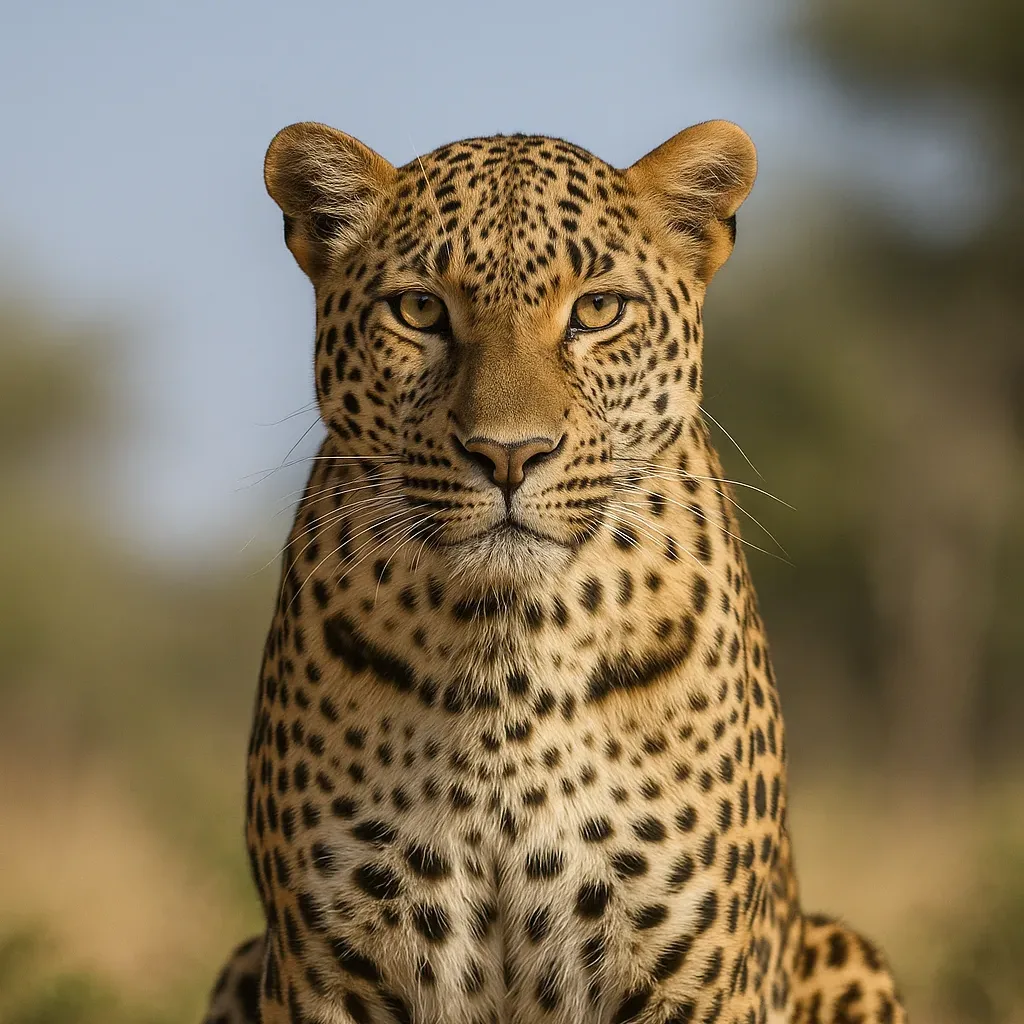
Leopards are increasingly being spotted in urban areas across several countries. The core reason for this expansion into cities is the shrinking of their natural habitat and urban encroachment into previously wild areas. Due to their adaptability and stealth, leopards are managing to coexist within city environments.
🔎 Key Takeaways
- Leopards are adapting to urban life as their natural habitats diminish.
- Increased urbanization leads to wildlife seeking refuge in cities.
- A leopard can weigh between 60–200 pounds, roughly the weight of an adult human.
- Leopards can leap over 20 feet, making them highly agile hunters.
🧬 Why It Happens
Leopards are known for their adaptability and ability to thrive in diverse environments ranging from forests to savannas. Their agility and stealth enable them to navigate new terrains, including urban areas where they can find food and shelter.
As urbanization continues, leopards lose their natural territories, compelling them to explore alternative habitats like cities and suburbs. Leopards can climb trees and walls with ease, allowing them to evade detection and access even densely populated areas.
Another reason leopards adapt well to urban settings is their opportunistic feeding behavior. They can prey on small mammals, pets, and occasionally livestock, which are more readily available in cities, providing an accessible food source that sustains their presence in these areas.
🌍 Where You Might See It
Leopards are primarily found in sub-Saharan Africa, parts of Asia, and India. Urban sightings are becoming more frequent in these regions, especially in cities expanding into leopard habitats. Common settings include outskirts of cities, near forested areas, and within suburban neighborhoods.
⚠️ Practical Caution
- If you live in a leopard-prone area, secure waste to avoid attracting them.
- Keep pets indoors, especially during night hours when leopards are active.
- Install motion-sensing lights to deter wildlife from entering your property.
- Report sightings to wildlife authorities promptly for appropriate action.
- In general, do not approach or provoke wild animals.
- Follow local guidelines for wildlife management and coexistence.
Always maintain a safe distance if you encounter a leopard and remain calm. Trust local wildlife experts for guidance on living alongside these magnificent creatures.
Find more enlightening articles and insights on diverse wildlife topics at AnimalsGuidebook.com.