🐾 It never gives up—the wild’s most persistent predator: Gray wolf
Primary subject: Gray wolf — Canis lupus
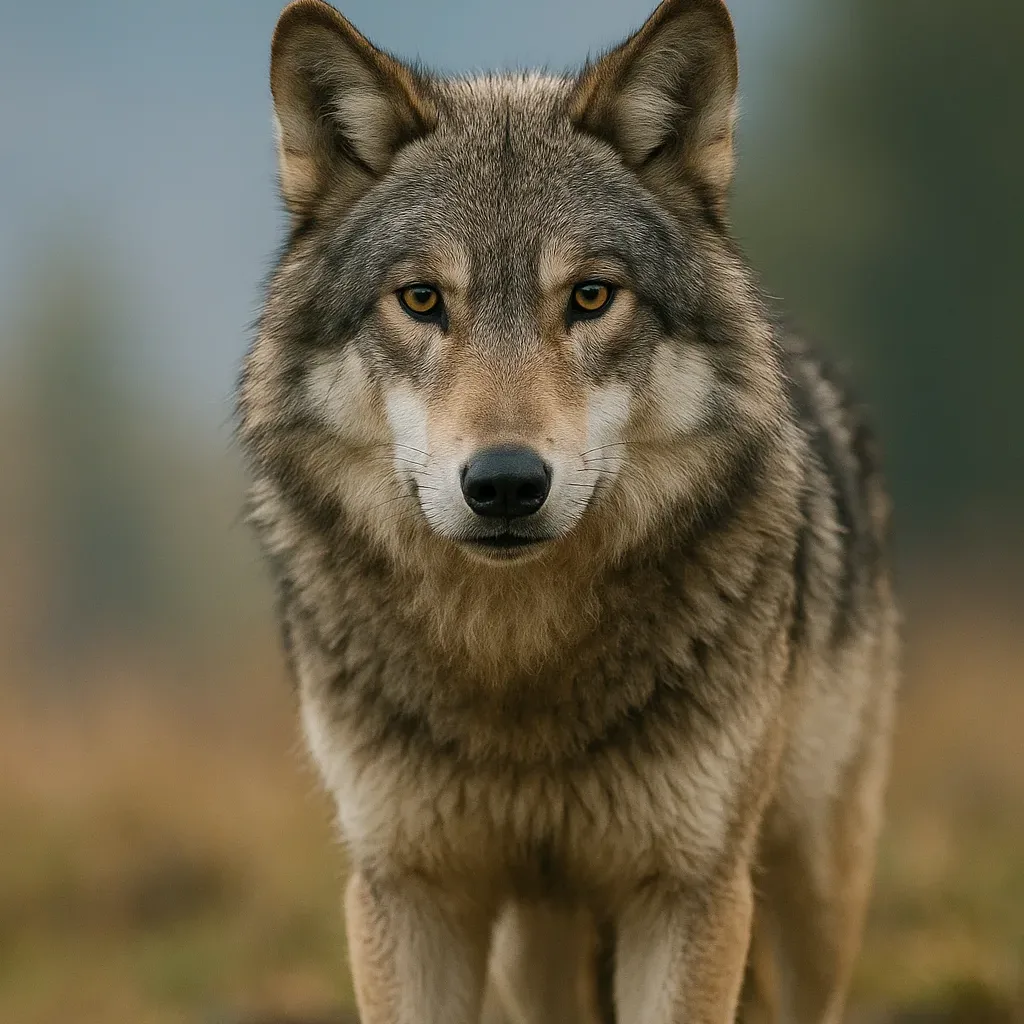
The gray wolf is well-known as the wild's most persistent predator due to its incredible endurance and strategic hunting skills. Relentlessly following prey over long distances, gray wolves rarely give up the chase. This behavior is rooted in their need to survive in diverse environments where food sources can be scarce.
🔎 Key Takeaways
- Gray wolves are one of the wild’s most persistent predators.
- Their persistence is largely due to their high stamina and pack cooperation.
- Gray wolves can travel up to 30 miles in a day when hunting.
- They can run at speeds of approximately 31-37 mph to chase prey.
🧬 Why It Happens
Gray wolves are built for endurance, featuring long legs, a narrow chest, and a dense coat to handle various climates. This physical makeup allows them to sustain lengthy pursuits over challenging terrain. Their stamina is a vital asset for their hunting strategy, which involves tracking prey over extended distances until the prey is exhausted.
Additionally, wolves hunt in packs, utilizing complex communication and coordinated tactics. Each pack member plays a role, from scouting and chasing to ambushing prey. This cooperation not only increases their success rate but enables them to tackle larger animals like moose or elk, significantly enhancing their survival prospects.
Their keen senses, particularly acute hearing and smell, aid them significantly in monitoring prey movements across vast areas. Gray wolves can detect sounds up to six miles in forested areas, providing them with a competitive edge in tracking elusive targets.
🌍 Where You Might See It
Gray wolves inhabit a wide range of environments, from forests and tundras to plains and mountains in the Northern Hemisphere. They are often sighted in areas where their prey, such as deer and moose, are abundant. Wolves typically rely on territories covering hundreds of square miles, depending largely on prey availability and the size of their pack.
⚠️ Practical Caution
- Maintain a safe distance from wolf habitats, especially during their active seasons.
- If you encounter a wolf, remain calm and refrain from sudden movements.
- Avoid direct eye contact and allow the wolf a clear exit route.
- Do not run, as this may trigger a chase response.
- Keep food and trash secure, especially when camping in wolf territories.
- Follow local guidance and regulations regarding wildlife interactions.
Keeping a respectful distance and adhering to local guidelines are crucial for safe interactions with gray wolves. Staying informed and prepared ensures both human safety and the welfare of wolf populations.
Discover more about the majestic gray wolf and other fascinating wildlife at our homepage: AnimalsGuidebook.com