🐾 The animal that pretends to be injured to survive: Killdeer
Primary subject: Killdeer — Charadrius vociferus
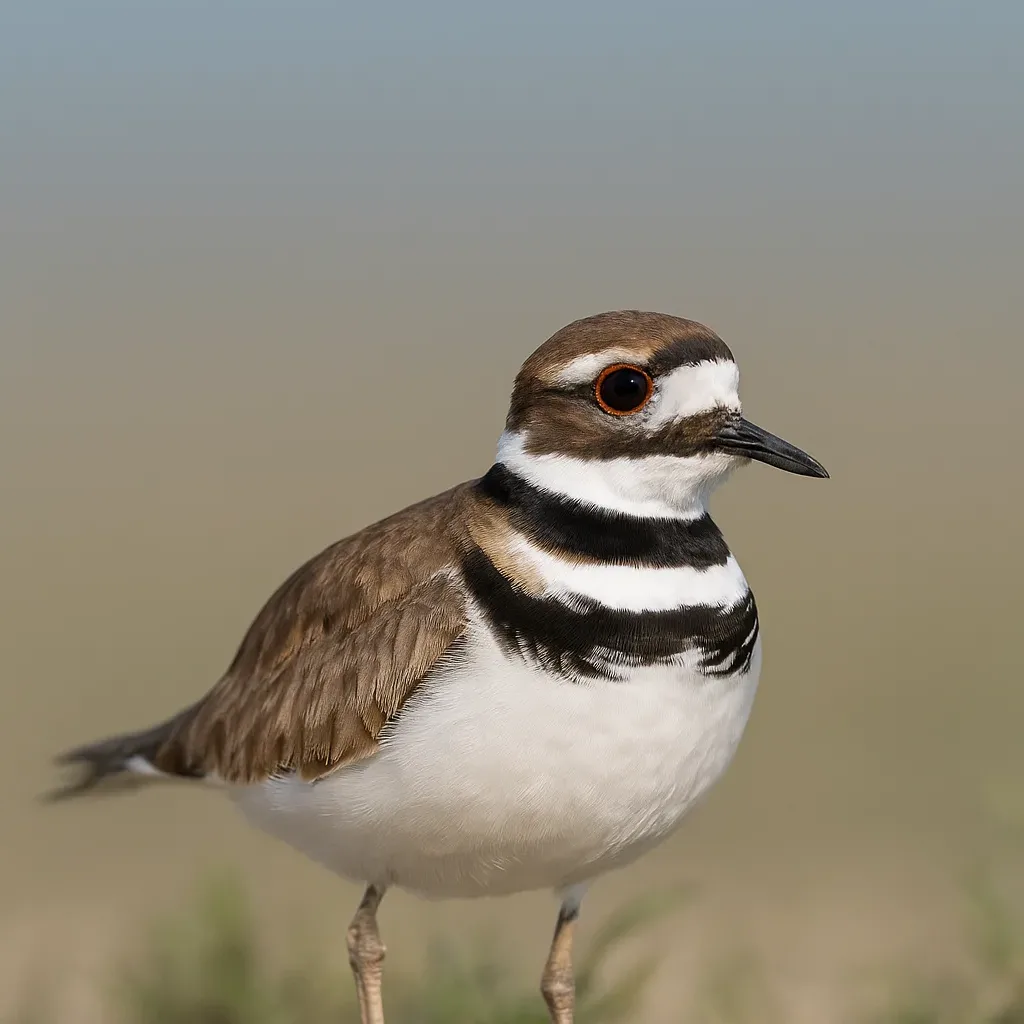
The Killdeer, a type of plover, uses a fascinating defense strategy to protect its nest and young from predators: it pretends to be injured. By feigning injury, such as a broken wing, the Killdeer lures potential threats away from its vulnerable nest site.
🔎 Key Takeaways
- The Killdeer pretends to be injured to protect its nest from predators.
- This behavior is known as a distraction display to direct attention away from its young.
- Killdeer are capable of reaching flight speeds up to 60 km/h (about 37 mph), which helps them safely escape after deceiving potential threats.
- The auditory calls of a Killdeer can be heard over 200 meters away, acting as an additional warning to predators and other birds alike.
🧬 Why It Happens
Killdeer employ what's known as a "distraction display," wherein they pretend to be injured to draw predators away from their nesting sites. This behavior is a strategic choice to ensure the survival of their offspring.
This ploy often involves the Killdeer lowering one wing and moving in an erratic and hobbled manner, imitating a bird with a broken wing. The deception relies on the predator's instinct to chase easy prey, allowing the Killdeer to lead it away.
Once a predator has been lured far enough from the nest, the Killdeer swiftly takes flight. With flight speeds reaching up to 60 km/h, they've evolved to make a quick getaway, leaving the fooled predator far behind.
🌍 Where You Might See It
Killdeer inhabit open fields, grasslands, and even urban areas with abundant flat surfaces for nesting. Their nests are commonly found on the ground, making them more vulnerable to ground predators, hence the perfected use of distraction displays.
⚠️ Practical Caution
- Observe from a distance if you encounter a Killdeer displaying unusual behavior such as acting injured.
- Respect wildlife and avoid disturbing their habitats, especially in nesting areas.
- Be aware of signs indicating bird nesting zones and protect these critical habitats by keeping pets away.
- Walk on designated pathways to minimize habitat disruption in areas known for ground-nesting birds.
- Educate others about these behaviors to foster a greater understanding and appreciation for wildlife.
In general, maintaining a respectful distance and exercising calm, non-intrusive behavior when encountering wildlife ensures both their safety and yours. Always follow local wildlife guidelines for further protection measures.
Explore more fascinating animal strategies and behaviors by visiting our homepage at AnimalsGuidebook.com.