🐾 The most cunning hunter in the wild: Arctic fox
Primary subject: Arctic fox — Vulpes lagopus
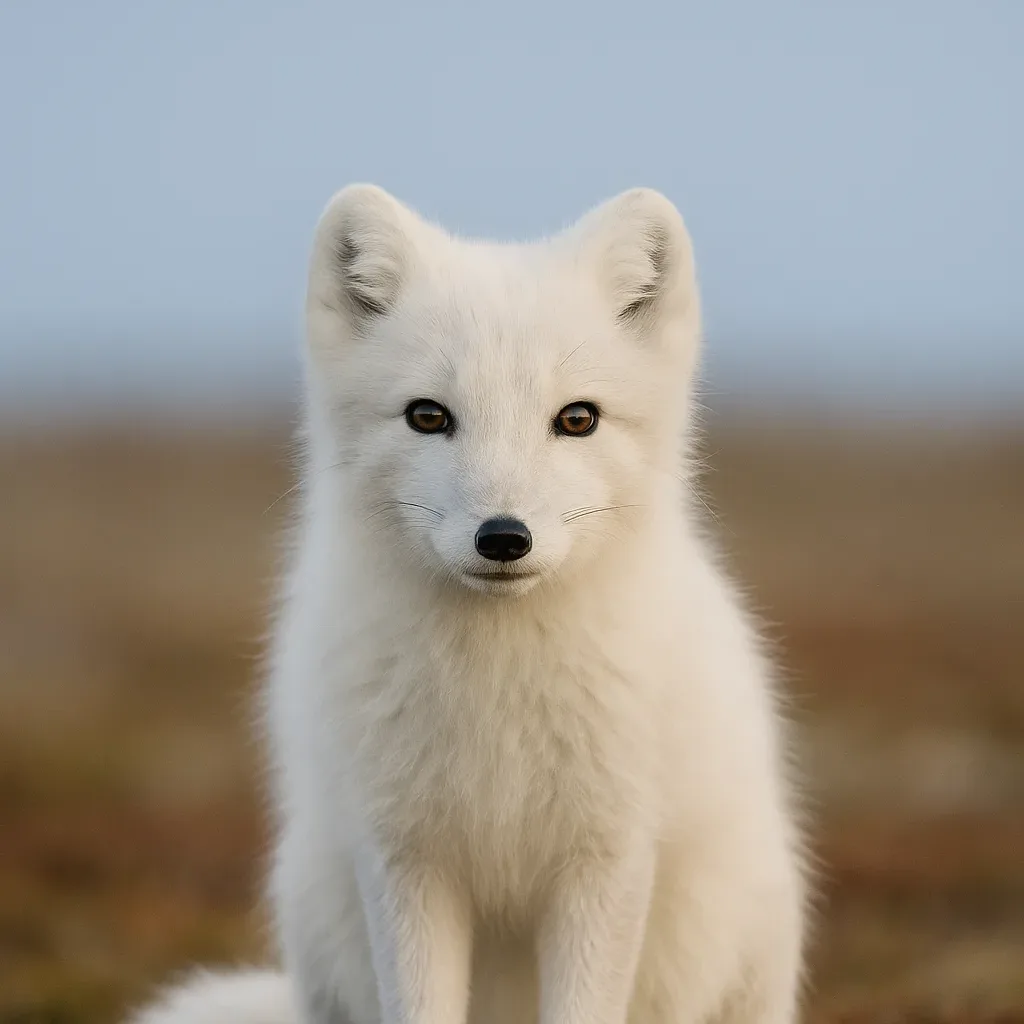
The Arctic fox is known as one of the most cunning hunters in the wild due to its adaptive hunting strategies. This small, nimble creature employs a variety of tactics to secure its meals, making it highly successful in the harsh Arctic environment. The core reason lies in its versatility and resourcefulness in different hunting scenarios.
🔎 Key Takeaways
- Arctic foxes are agile hunters, using a range of strategies to catch prey.
- Their adaptability allows them to thrive even in the harshest climates.
- An Arctic fox generally weighs around 3–9 kg, allowing it the agility needed for diverse hunting.
- Their fur changes color from white in winter to brown or gray in summer for effective camouflage.
🧬 Why It Happens
Arctic foxes are equipped with acute hearing, allowing them to locate prey hidden under snow. They can detect the movement of small rodents beneath the surface and use a high leap technique, diving nose-first to catch them.
During the summer, they exploit the abundance of bird eggs and chicks, showcasing their dietary flexibility. This omnivorous diet is crucial for survival in a region where food sources can be unpredictable.
Their thick fur provides insulation against extreme temperatures, crucial for maintaining stamina and agility. With temperatures often dipping below -30°C, this adaptation ensures continued hunting success across seasons.
🌍 Where You Might See It
Arctic foxes inhabit the tundra regions around the Arctic Circle, including parts of Alaska, Canada, and Siberia. They are often spotted in snow-covered landscapes where their white winter coat offers camouflage, and during summers in rockier, exposed terrains.
⚠️ Practical Caution
- Maintain a respectful distance if you encounter an Arctic fox in the wild.
- Avoid attempting to feed or interact with Arctic foxes.
- Use binoculars or cameras with zoom features for observation.
- Follow all local wildlife regulations and guidance from park rangers.
- Keep campsites and food secure to prevent attracting wildlife.
- Ensure all waste is properly disposed of, maintaining a clean environment.
In general, maintaining a safe distance and avoiding interactions with wildlife helps ensure both your safety and the animals'. Always adhere to local guidance in wild areas.
Explore more fascinating wildlife and connect with the animal kingdom at AnimalsGuidebook.com.