🐾 This predator avoids fair fights on purpose: Komodo dragon
Primary subject: Komodo dragon — Varanus komodoensis
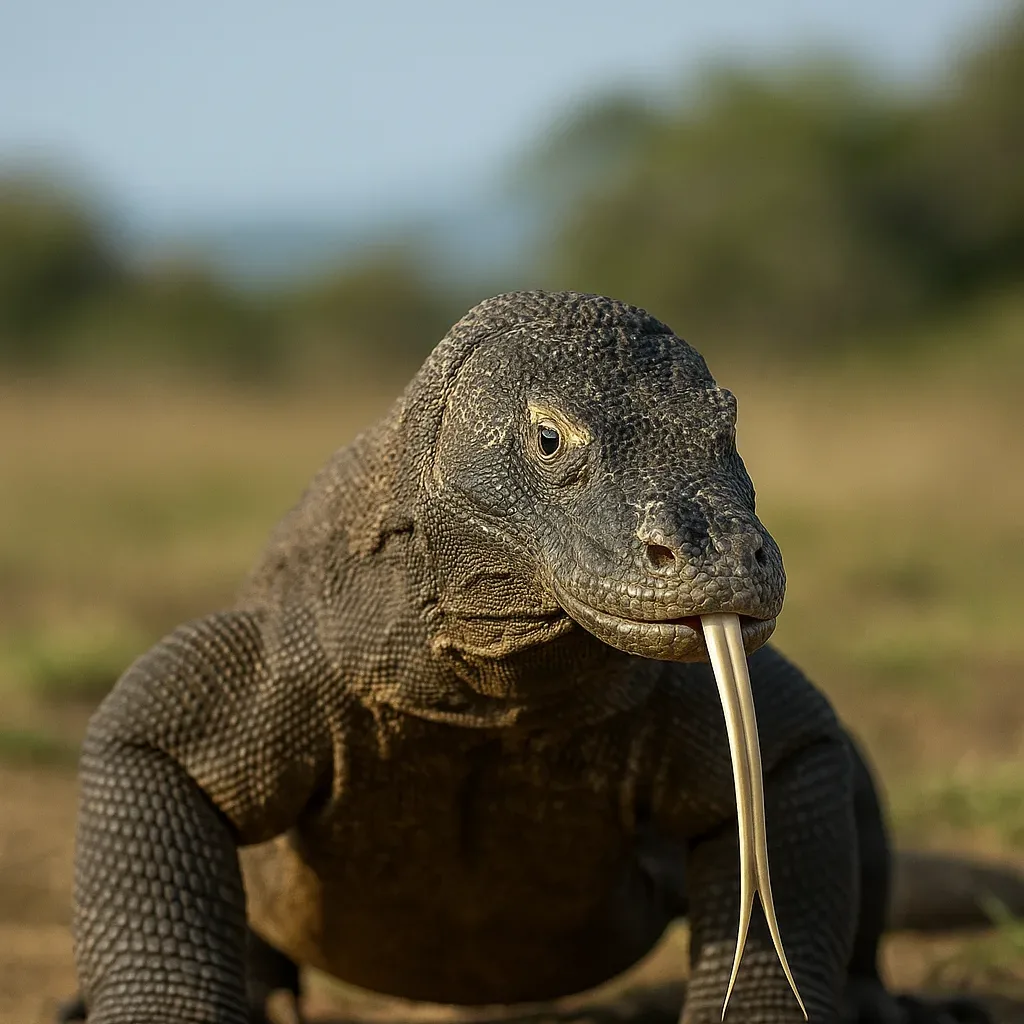
The Komodo dragon, known for its massive size and stealthy ambush tactics, actively avoids fair fights. This notorious predator utilizes a combination of its toxic bite and stealth to ensure that its prey is caught off-guard.
🔎 Key Takeaways
- The Komodo dragon uses ambush tactics to attack its prey while avoiding direct confrontations.
- Komodo dragons prefer surprise attacks, aided by their powerful bite and toxic saliva.
- They can weigh up to 70 kg (154 lbs) and grow over 3 meters (nearly 10 feet) long, helping them overpower prey.
- Their bite delivers toxins that can cause rapid blood loss, lowering a prey animal's chances of survival.
🧬 Why It Happens
The Komodo dragon’s approach to hunting is centered on stealth and surprise. Thanks to their coloration, they blend seamlessly into their natural environment, allowing them to get close to unsuspecting prey. Once in range, they utilize a swift bite, typically aimed at the legs of larger animals, to inject a combination of toxic bacteria and venom.
This lethal cocktail serves a critical role. The bacteria present in their saliva can cause severe infections, while the venom contains anticoagulants that lead to rapid blood loss. As a result, the prey becomes weaker and easier to subdue over time, all while the Komodo dragon follows it until it can no longer defend itself.
Their formidable size and strength enable them to tackle large prey, such as deer. Their weight, which can exceed 70 kg, combined with their length, makes them an impressive figure on the hunt. Despite their size, they can reach speeds of up to 20 km/h (around 12 mph) in short bursts when chasing prey.
🌍 Where You Might See It
Komodo dragons inhabit the islands of Indonesia, such as Komodo, Rinca, Flores, and a few other smaller islands. They thrive in arid savannahs and tropical forests, where their ambush tactics can be most effectively used against approximately 2,500–3,000 remaining individuals in these regions.
⚠️ Practical Caution
- Maintain a safe distance if you spot a Komodo dragon in the wild. These are dangerous predators.
- Stay calm and avoid sudden movements to prevent startling the animal.
- Refrain from approaching or attempting to feed a Komodo dragon.
- Follow local guidance and park rules when visiting areas where they live.
- If local guides are available, heed their advice and stay with the group.
Remember, maintaining distance and calm behavior is essential when observing Komodo dragons to ensure your safety and theirs. Always follow the guidelines provided by local authorities and experts.
For more insights into the fascinating world of wildlife, visit our homepage at AnimalsGuidebook.com.