🐾 The animal that can literally chew bones: Spotted hyena
Primary subject: Spotted hyena — Crocuta crocuta
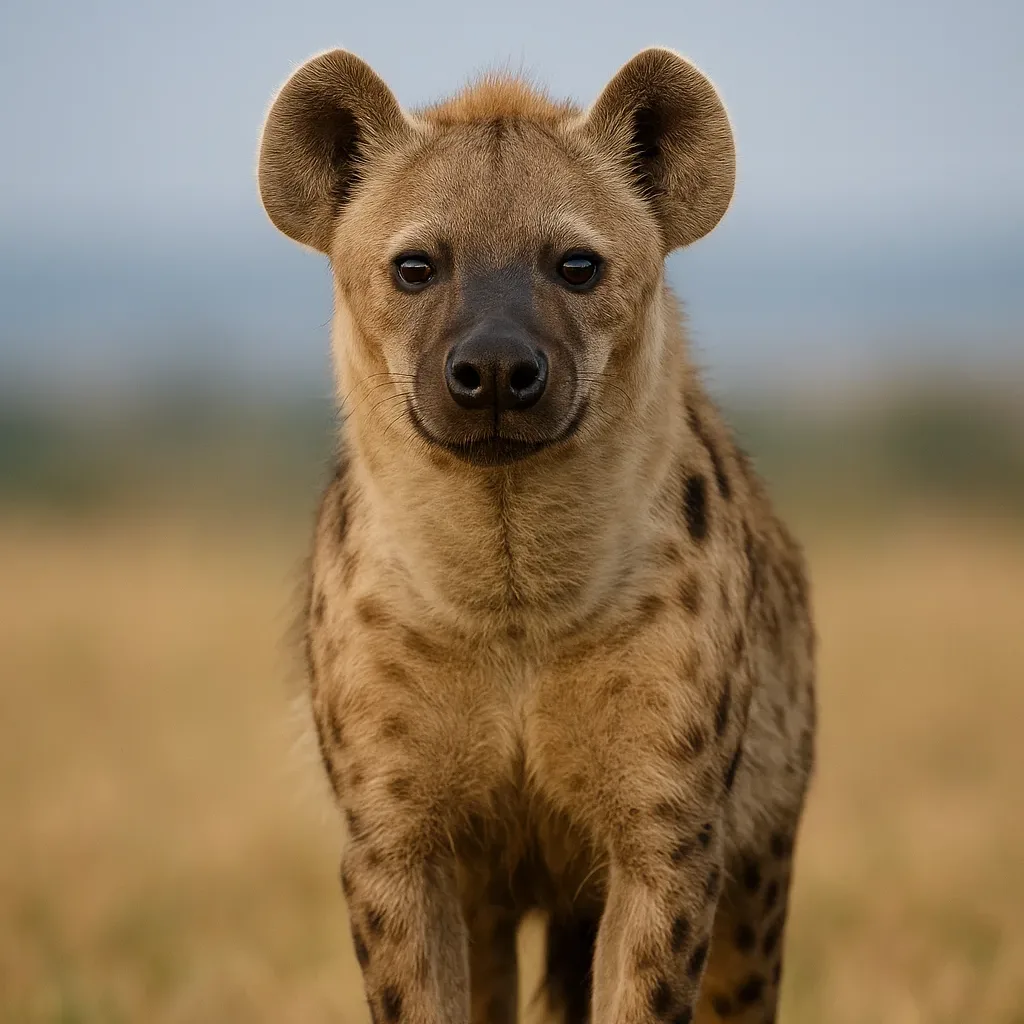
Spotted hyenas are renowned for their incredible ability to literally chew and digest bones, a feat they accomplish thanks to their exceptionally strong jaws. These powerful carnivores have jaw muscles and bone-crushing teeth specifically adapted for breaking down the densest materials in a carcass.
🔎 Key Takeaways
- Spotted hyenas can chew and digest bones due to their strong jaws and specialized teeth.
- The hyena's bite force exceeds 1,000 psi, enabling them to break bones apart.
- Spotted hyenas can digest bones more effectively than most other animals.
- They have one of the strongest bite forces in the animal kingdom, roughly on par with large terrestrial predators like lions.
🧬 Why It Happens
Spotted hyenas have highly adapted jaw muscles that, along with their robust dentition, enable them to exert a bite force exceeding 1,000 psi. This powerful bite allows them to crush the thickest bones of prey. Their large, conical premolars are specially shaped for gripping and cracking bones.
In addition to their muscular jaws, spotted hyenas have highly acidic stomachs capable of effectively digesting bone material. The acidity allows the breakdown of nutrients, such as calcium and fat, providing a significant nutritional advantage in their natural environments.
These adaptations allow spotted hyenas to utilize carcasses more fully than many other carnivores, turning what might otherwise be waste into a valuable food source. This capability gives them a competitive edge in the savannas where resources can be scarce.
🌍 Where You Might See It
Spotted hyenas are commonly found in the savannas, grasslands, and even the semi-arid regions of sub-Saharan Africa. They often take advantage of these landscapes by feeding on a variety of ungulates, such as antelopes and zebras, and play a crucial role in the ecosystem as scavengers and predators.
⚠️ Practical Caution
- Maintain a safe distance from wild spotted hyenas in their natural habitat.
- In general, avoid feeding or approaching these animals to ensure safety.
- Keep campsites and belongings secure to prevent attracting wildlife.
- If in a vehicle, stay inside when observing hyenas in the wild.
- Follow local guidance from park authorities or wildlife experts when encountering hyenas.
Overall, keeping a respectful distance and observing calm behavior when near these animals helps ensure safety for both humans and hyenas. Remember to always follow the advice of local guides and authorities.
For more fascinating insights into wildlife behavior, visit AnimalsGuidebook.com.