🐾 This animal’s bite can crush bone like nothing: Saltwater crocodile
Primary subject: Saltwater crocodile — Crocodylus porosus
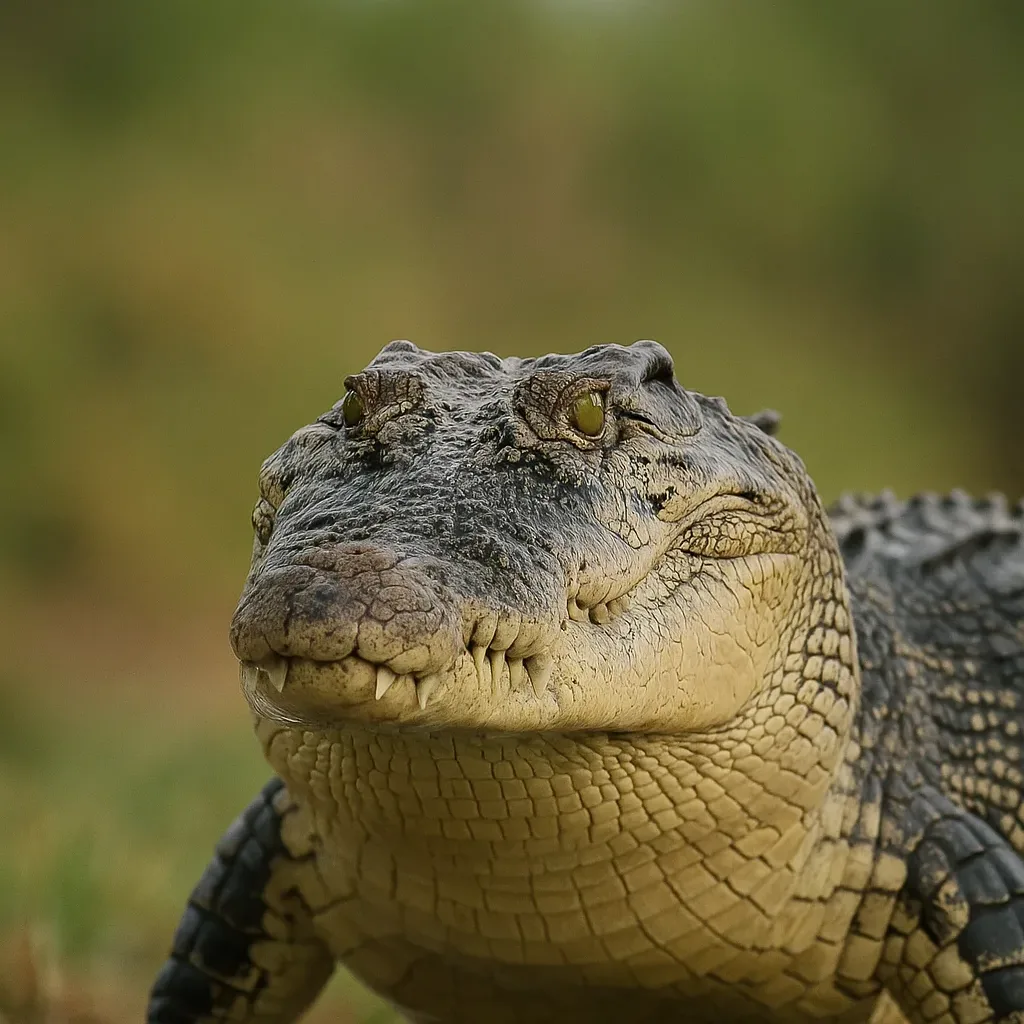
The formidable saltwater crocodile has one of the most powerful bites in the animal kingdom, capable of crushing bone effortlessly. This incredible strength is due to its massive jaw muscles and unique skull structure, tailored for delivering immense force.
🔎 Key Takeaways
- The saltwater crocodile can easily crush bone with its powerful bite.
- This capability is primarily due to their large jaw muscles and skull design.
- Saltwater crocodiles' bite force measures roughly 3,700 pounds per square inch (psi).
- This bite force is several times stronger than that of a lion or a great white shark.
🧬 Why It Happens
The jaw muscles of the saltwater crocodile are specifically designed to deliver a tremendous amount of force. The leverage created by their long skull allows them to clamp down with precision, making their bite unparalleled in strength. This adaptation is crucial for subduing prey and efficiently processing hard-shelled animals.
Their diet often includes tough prey such as turtles and large mammals, necessitating a bite capable of penetrating thick armor and crushing bone. This evolutionary advancement ensures survival by enabling these crocs to exploit a variety of food sources that would be inaccessible to other predators.
Their powerful jaws are further supported by cone-shaped teeth, which distribute pressure evenly and avoid breaking during a bite, allowing these crocodiles to maintain their hunting efficiency and protect their physical integrity.
🌍 Where You Might See It
Saltwater crocodiles inhabit coastal regions across India, Southeast Asia, and northern Australia. They thrive in various environments, including rivers, estuaries, and the open sea. These habitats provide abundant access to diverse prey, supporting their dietary and ecological needs.
⚠️ Practical Caution
- Maintain a safe distance from water bodies known to be inhabited by crocodiles.
- Stay informed about local wildlife advisories and respect any warning signs.
- When near water, stay aware of your surroundings to prevent surprise encounters.
- Avoid wading or swimming in waters where crocodiles may be present, especially near dawn or dusk.
- In general, avoid provoking or feeding wild crocodiles.
In general, prioritize keeping your distance from potential crocodile habitats and follow local guidance for the safest experience in these regions.
For more fascinating insights into the world of animals, visit AnimalsGuidebook.com.