🐾 The fearless animal even lions avoid: Honey badger
Primary subject: Honey Badger — Mellivora capensis
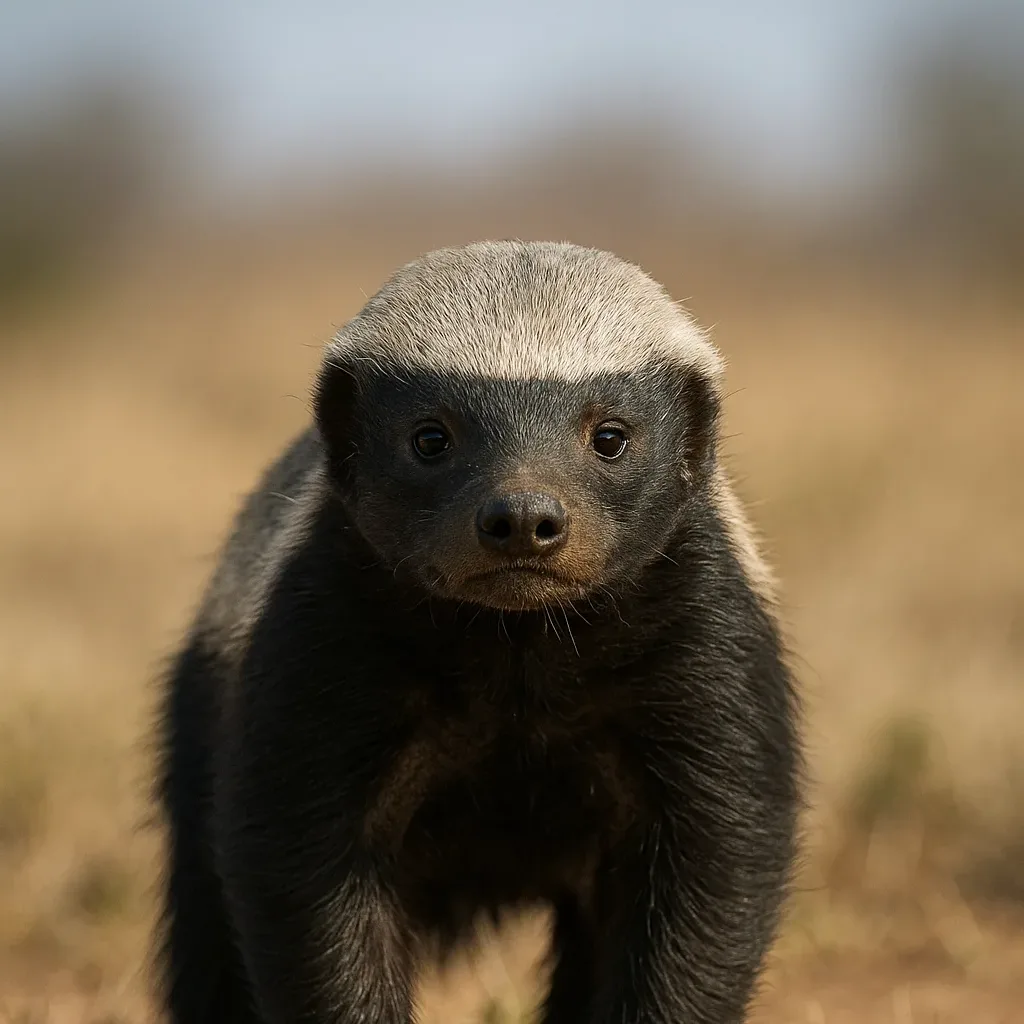
The honey badger, or Mellivora capensis, is renowned for its fearless demeanor, even in the face of larger predators like lions. Known for its tenacity and aggression, the honey badger is often avoided by animals that would typically be considered more formidable. Its thick skin and ferocious behavior make it a formidable opponent against even the most significant threats.
🔎 Key Takeaways
- The honey badger is incredibly fearless, often standing its ground against lions.
- This bravery is largely due to its tenacious nature and protective physical attributes.
- A honey badger’s skin is notably thick, about 6 millimeters, making it tough to penetrate.
- Weighing up to 16 kilograms, it uses its strength effectively to fend off predators.
🧬 Why It Happens
The honey badger's thick skin provides a significant defensive barrier against bites and stings, reducing the risk of fatal injuries from predators or venomous creatures. This physical protection is one reason it can fearlessly confront larger animals, including those with powerful jaws.
Additionally, honey badgers possess strong jaws and sharp claws that allow them to become efficient hunters and formidable opponents. Their powerful bites can crush through bones, providing an additional deterrent to any predator that threatens them.
Behaviorally, honey badgers are known for aggressive defense strategies. When threatened, they will fight back relentlessly, displaying intimidating displays of aggression which can deter attackers like lions looking for an easy meal.
🌍 Where You Might See It
The honey badger primarily resides in sub-Saharan Africa but can also be found in areas of the Middle East and India. They typically inhabit grasslands, savannas, and forests where they can explore underground burrows or search for prey and honey sources.
⚠️ Practical Caution
- In general, maintain a safe distance and observe honey badgers from afar.
- Stay calm and avoid sudden movements that might provoke the animal.
- Avoid trying to feed or interact directly with these wild animals.
- Follow local wildlife guidelines and observe them in protected environments such as reserves.
- Report sightings to local conservationists if in new or unexpected areas.
Remember to respect the space of all wildlife. Observing from a distance not only keeps you safe but also ensures minimal disturbance to the animals. Always follow local guidance when in habitats where honey badgers are known to roam.
For more fascinating insights into the wildlife world, explore further at AnimalsGuidebook.com.