🐾 Discovered recently—and scientists were shocked: Olinguito
Primary subject: Olinguito — Bassaricyon neblina
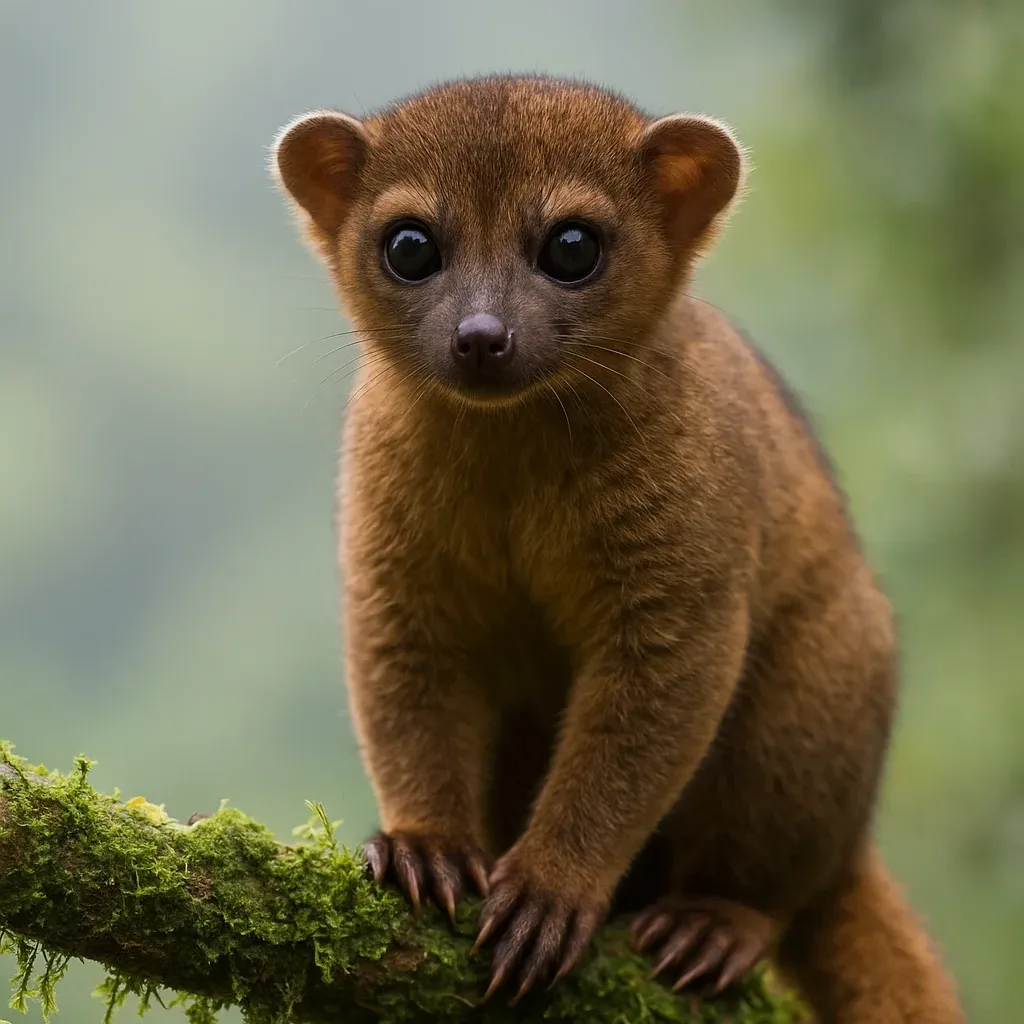
The Olinguito, Bassaricyon neblina, recently surprised scientists with its unanticipated discovery in the cloud forests of the Andes. Its introduction as a new species of carnivore in 2013 was significant due to its elusive nature and its resemblance to a cross between a teddy bear and a cat. This smallest member of the raccoon family challenged scientific expectations, revealing gaps in biodiversity understanding even in well-studied areas.
🔎 Key Takeaways
- The Olinguito was identified as a new species of carnivore in 2013.
- It challenged previous biodiversity knowledge with its unique features and hybrid appearance.
- This mammal typically weighs around 900 grams, similar to a small domestic cat.
- Its length ranges from 35 to 45 centimeters, excluding the tail, making it about the same size as an average squirrel.
🧬 Why It Happens
The Olinguito's discovery was groundbreaking because it highlighted the complexity of mammalian classification within well-known ecosystems. Although it had been displayed in U.S. zoos and museums, it was mistaken for its relative, the olingo, due to its small size and arboreal habits.
This species is nocturnal, which contributes to its rarity of sightings. Its diet primarily consists of fruits, nectar, and insects, utilizing its sharp claws and agile limbs to navigate the treetops of its cloud forest home. Its presence underscores the richness of Andean biodiversity, revealing how species can remain hidden within established ecosystems.
The Olinguito's life span can extend up to 12 years in the wild, which is quite remarkable given its habitat’s challenges. This longevity is supported by its solitary lifestyle and its adeptness at adapting to environmental conditions.
🌍 Where You Might See It
The Olinguito is native to the cloud forests of Colombia and Ecuador, thriving at altitudes between 1,500 and 3,000 meters. These forests, characterized by persistent cloud cover, provide the perfect setting for its nocturnal activities. Its habitat is often humid and dense, making it both a challenging and complex environment for exploration and species discovery.
⚠️ Practical Caution
- Avoid disturbing their habitats as they are critical to the ecosystem.
- Observe quietly if you happen to see one, as they are shy and easily frightened.
- Respect local guidelines regarding wildlife observation and protection.
- In general, maintain a safe distance to prevent stress on the animal.
- When hiking in cloud forests, stay on marked trails to minimize environmental impact.
It is important to remain calm and respectful when observing the Olinguito, as human interaction can be stressful for wildlife. Always prioritize local conservation guidelines to protect these unique creatures.
Explore more about fascinating wildlife discoveries at AnimalsGuidebook.com.