🐾 The animal that nearly went extinct: California condor
Primary subject: California condor — Gymnogyps californianus
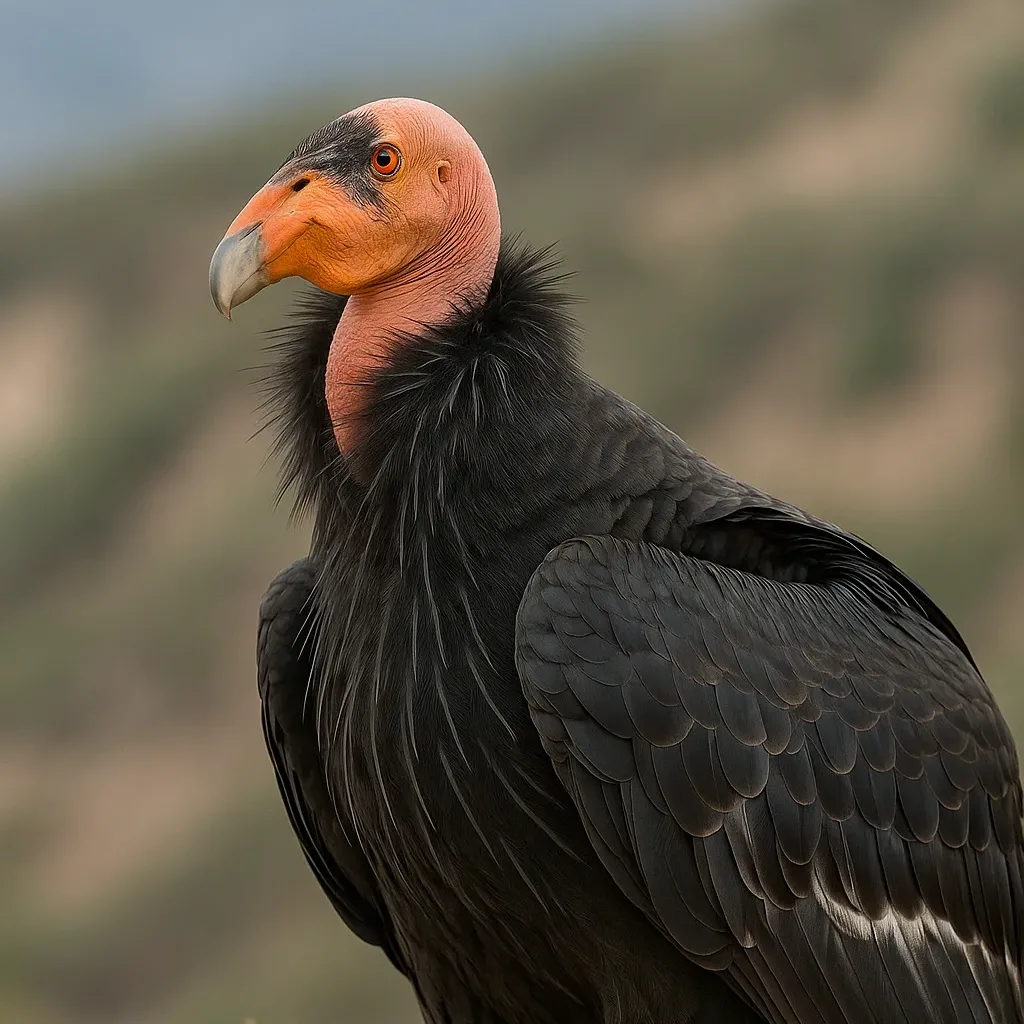
The California condor, with a wingspan up to nine feet, nearly vanished from the wild due to habitat destruction, lead poisoning, and poaching. In the 1980s, their numbers dwindled to just 27 birds, prompting a desperate conservation effort to save this majestic species. The core reason for their near extinction was human-induced environmental changes that eliminated their habitats and exposed them to toxins.
🔎 Key Takeaways
- The California condor almost went extinct due to human activity, particularly habitat loss and lead poisoning.
- The species dropped to only 27 individuals in the wild during the 1980s.
- With a wingspan of up to nine feet, the California condor is one of the largest flying birds in North America.
- Efforts to save the species have led to the population increasing to over 500 individuals, with about half in the wild.
🧬 Why It Happens
The California condor's decline was largely fueled by the ingestion of lead from spent hunting ammunition, which often laced the animal carcasses they fed on. Lead poisoning causes severe health issues, ultimately leading to death. As scavengers, condors are particularly vulnerable to this environmental hazard.
Additionally, habitat destruction significantly impacted their populations. Human encroachment converted natural landscapes into urban areas, decreasing their hunting and nesting grounds. This led to smaller, isolated populations that struggled to breed effectively.
Conservation efforts have played a pivotal role in the recovery of the California condor. Captive breeding programs have successfully raised and reintroduced birds into the wild, showcasing how dedicated conservation initiatives can reverse species decline.
🌍 Where You Might See It
Today, California condors can primarily be found in rugged canyon inhabitants and forested regions of California, Arizona, and Baja California in Mexico. They favor remote areas with ample cliffs for nesting and open spaces for soaring on thermal currents while scavenging for food.
⚠️ Practical Caution
- Support and follow guidelines on using non-lead ammunition for hunting.
- Contribute to and support habitat restoration projects.
- Be mindful and respectful of protected areas where condors are known to nest and forage.
- Engage with local conservation efforts or volunteer in programs aimed at species preservation.
- Stay informed about environmental policies that impact wildlife conservation.
In general, keep a respectful distance from wildlife, maintain a calm demeanor, and always adhere to guidelines from local wildlife authorities.
Discover more about how you can contribute to wildlife conservation efforts by visiting our homepage: animalsguidebook.com