🐾 Cute—but actually a predator: Sea otter
Primary subject: Sea otter — Enhydra lutris
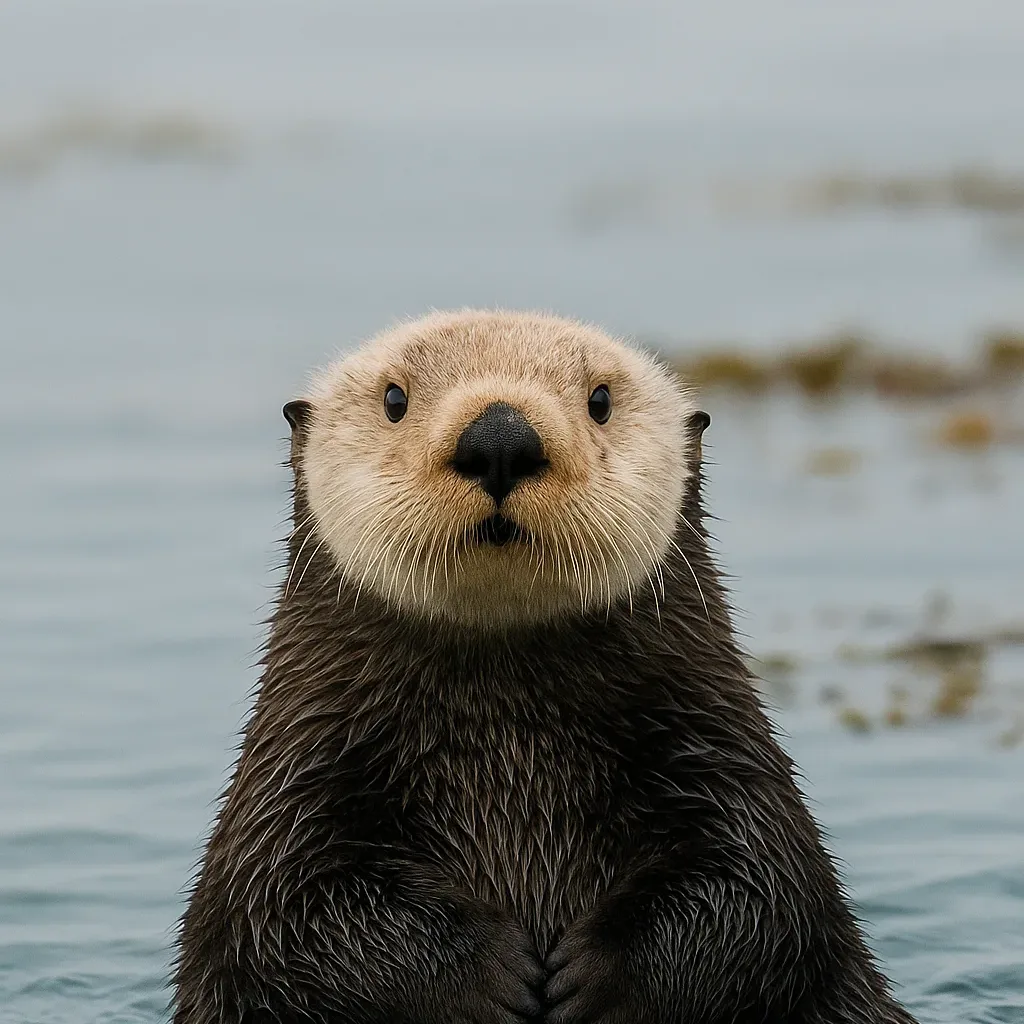
Sea otters may appear cute and playful, but these marine mammals are skilled predators. Their hunting prowess generally stems from their need to consume a significant amount of food to sustain their high metabolism. Sea otters can also exert a surprisingly strong bite force, helping them crack open hard shells of prey.
🔎 Key Takeaways
- Sea otters are predators despite their cuddly appearance.
- They have a high metabolism, requiring plenty of high-energy food sources like shellfish.
- Sea otters consume about 20-30% of their body weight in food daily to maintain energy levels.
- Their bite force is strong enough to crack open sea urchin shells, which are otherwise difficult to open.
🧬 Why It Happens
The sea otter's predatory skills are largely a response to its need for energy. Consuming around 20-30% of their body weight in food daily, they primarily feast on sea urchins, crabs, and clams. This high caloric intake is necessary to support their metabolism, which is significantly higher than that of most other mammals.
The sea otter's morphology is adapted for their diet; their powerful jaws and strong bite force allow them to crack the exoskeletons of hard-shelled prey. This capability sets them apart in their ecological niche as effective controllers of prey populations such as sea urchins, helping maintain balance in kelp forest ecosystems.
Social behavior among sea otters can also influence their hunting methods. They are known to use tools like rocks to smash open shellfish, and such learned behavior is often shared within groups, enhancing their efficiency as predators.
🌍 Where You Might See It
Sea otters are commonly found along the Pacific coast of North America, particularly in kelp forest ecosystems. Their presence is typically noted in coastal waters where they actively hunt for food. Observing them in nature, they may be seen floating on their backs, cracking open shells with stones or simply grooming their dense fur.
⚠️ Practical Caution
- Maintain a respectful distance from sea otters in the wild.
- Observe them quietly and avoid making loud noises that could startle them.
- Do not attempt to feed sea otters, as this can disrupt their natural hunting behaviors.
- Avoid approaching them if they appear to be resting or preoccupied with grooming.
- Follow local wildlife regulations and guidance when viewing sea otters.
In general, maintaining a respectful distance and observing sea otters calmly will ensure both your safety and theirs. Always adhere to local wildlife guidelines to protect these fascinating creatures.
Explore more about the wonders of wildlife at AnimalsGuidebook.com.