🐾 Could this animal defeat a lion: Rhinoceros
Primary subject: Rhinoceros — Rhinocerotidae
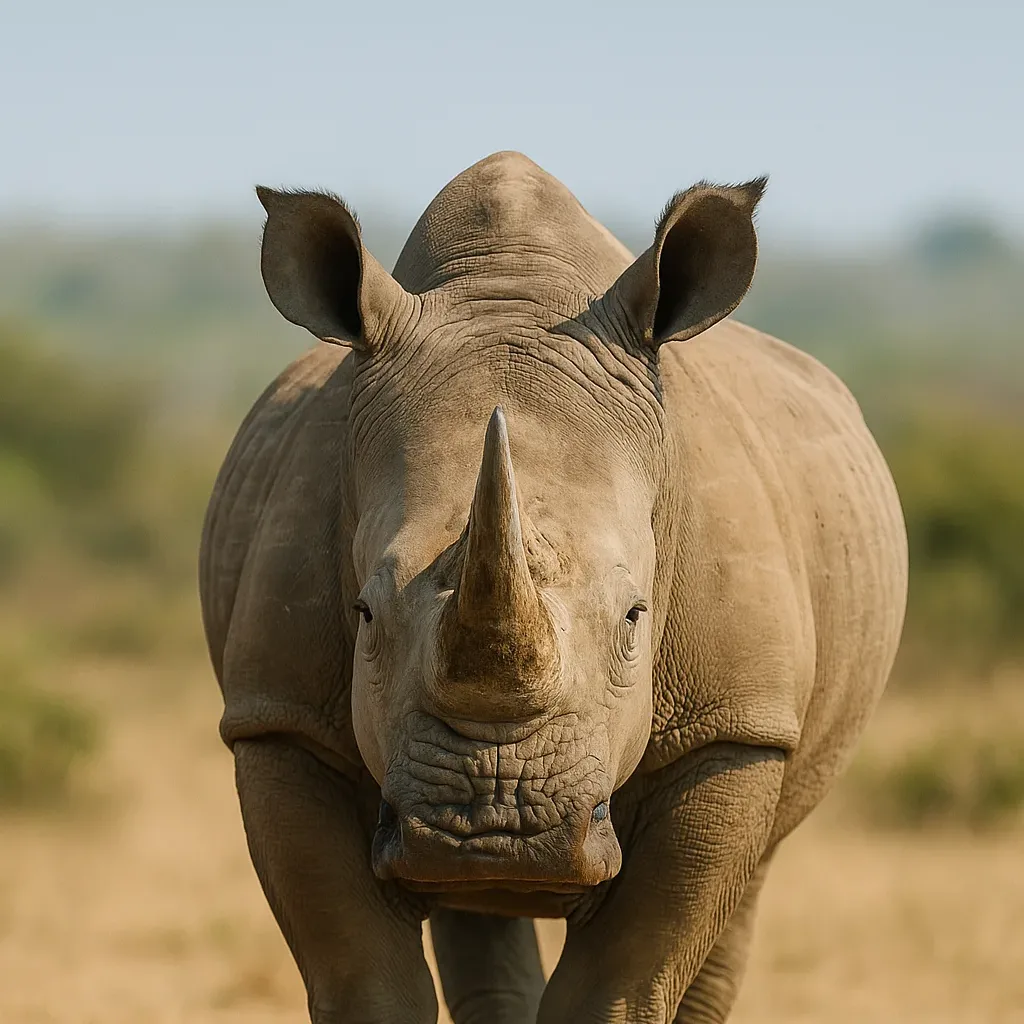
In a battle between a rhinoceros and a lion, a rhinoceros could indeed overpower a lion. The rhino's sheer size and strength give it a significant advantage over the big cat. With its tough skin and large horns, a rhinoceros is well-equipped to defend itself against predators.
🔎 Key Takeaways
- In a direct encounter, a rhinoceros could defeat a lion.
- Rhinoceroses have an advantage due to their immense size and defensive adaptations.
- A rhinoceros can weigh between 1,800–2,500 kilograms (about 4,000–5,500 pounds), far exceeding a lion's weight.
- The horn of a rhinoceros can grow up to 50 centimeters (about 20 inches), providing effective defense.
🧬 Why It Happens
Rhinoceroses are one of the largest terrestrial animals, with significant body mass providing stability and power in physical encounters. Their size alone can discourage attacks from lions, which typically weigh between 150–250 kilograms (330–550 pounds).
The thick skin of a rhinoceros, particularly around the neck and shoulders, serves as a natural shield against claw and teeth attacks. This defensive feature allows them to withstand the direct impact of a lion's assault, making them formidable opponents in the wild.
Additionally, rhinoceroses possess powerful horns used for both defense and asserting dominance. These horns can cause significant damage to predators, deterring even bold attempts from lions.
🌍 Where You Might See It
Rhinoceroses and lions can be found in overlapping territories across the African savannas and grasslands. Such encounters usually happen if a lion prides attempt to prey on young or solitary rhinos. However, due to the rhinoceros's intimidating presence, these interactions are rare.
⚠️ Practical Caution
- Maintain a safe distance from rhinoceroses in the wild or when visiting reserves.
- Observe these animals from a distance, using binoculars for a closer look if necessary.
- Stay inside your vehicle during wildlife tours to avoid unexpected confrontations.
- Always follow local ranger guidance and instructions when in rhinoceros habitats.
- Avoid making sudden movements or noises that could startle or provoke these animals.
- Respect the rhinoceros's space to prevent defensive behavior.
- When walking or hiking, stay on designated paths and be aware of wildlife around you.
By keeping a respectful distance and staying calm, you increase your safety and minimize disturbances to wildlife. Always prioritize local expertise and regulations for the safest wildlife interactions.
For more insights into the fascinating world of animals, visit AnimalsGuidebook.com.