🐾 The fastest predators ranked: Cheetah
Primary subject: Cheetah — Acinonyx jubatus
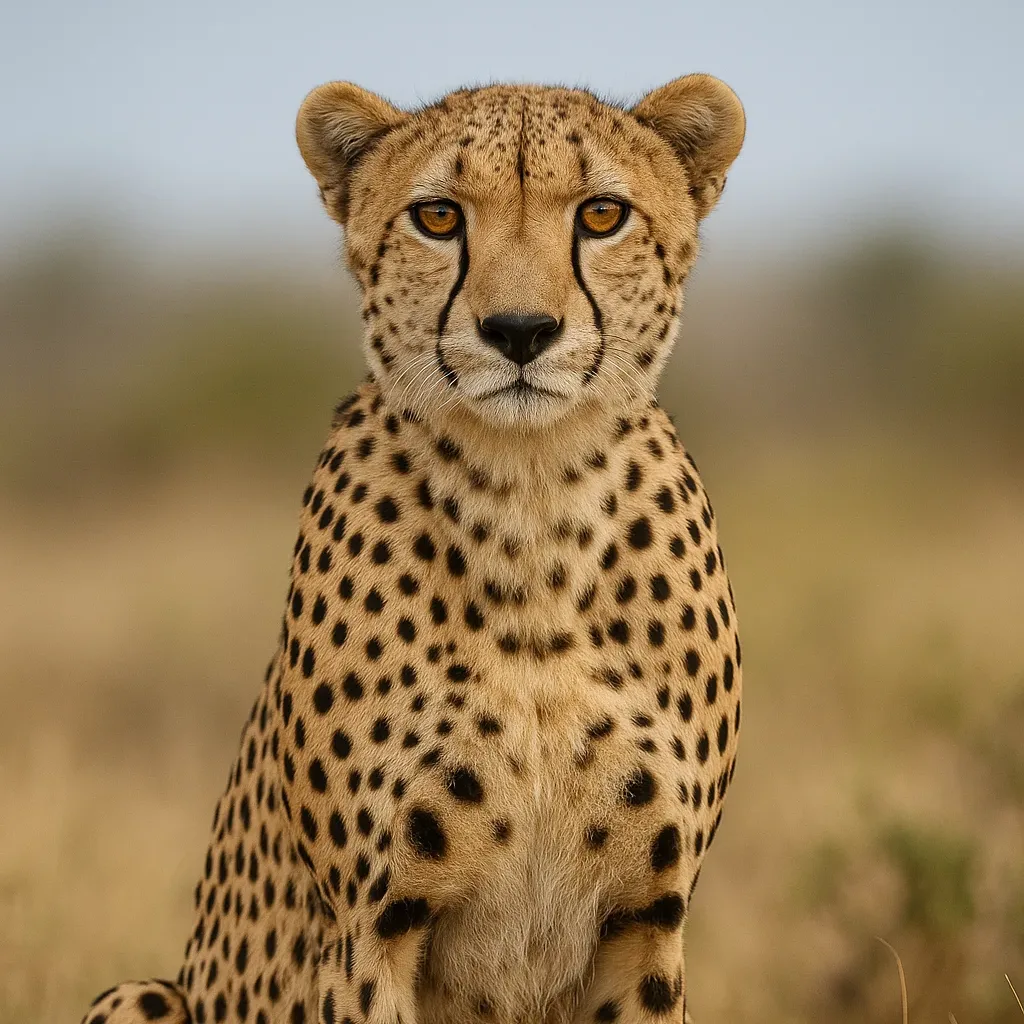
The primary subject of our exploration is the cheetah, unquestionably considered the fastest land predator known in the animal kingdom. This remarkable speedster can accelerate from 0 to 60 miles per hour in just a few seconds, an attribute facilitated by its unique evolutionary adaptations.
🔎 Key Takeaways
- Cheetahs are the fastest predators on land, reaching speeds up to 60 to 70 miles per hour.
- Their incredible sprinting capability is a result of evolutionary adaptations that optimize speed over short distances.
- Cheetahs have a lightweight frame and a flexible spine, crucial for their high-speed chases.
- When sprinting, a cheetah's stride can cover up to 20 to 25 feet, showcasing their powerful and agile movement.
🧬 Why It Happens
Cheetahs are built for speed. Their lightweight frame, slim aerodynamic body, and long, powerful legs contribute to their unparalleled sprinting ability. Unlike other big cats, cheetahs have a small collarbone and shoulder blades that pivot on a muscle, enhancing stride length.
A unique respiratory system allows cheetahs to take in more oxygen while running, powering their muscles during the chase. The flexible spine acts like a spring, contracting and expanding to increase stride length and pace. Despite their speed, cheetahs sacrifice strength and cannot maintain maximum speed for more than 300 to 400 meters.
Built primarily for hunting in open savannas, cheetahs focus on smaller prey. Their hunting method involves stalking prey within sprint range and catching it using surprise and a short burst of speed.
🌍 Where You Might See It
Cheetahs predominantly inhabit the African savannas and grasslands, regions characterized by vast open spaces that accommodate their high-speed pursuits. They often target medium-sized ungulates like gazelles and impalas, relying on these open terrains to launch their quick, effective hunts.
⚠️ Practical Caution
- Maintain a respectful distance from cheetahs in the wild, especially during their hunts.
- Observe calm, non-threatening behavior to avoid disturbing them or interrupting their natural activities.
- Follow local guidance and recommendations when visiting habitats that are home to cheetahs.
- Use binoculars or cameras with zoom lenses to observe them from afar without intrusion.
- Stick to designated pathways and vehicles on safari to ensure safety and conservation.
In general, maintaining a respectful distance and following regional guidelines contribute to both personal safety and the preservation of these magnificent creatures.
For more insights into the incredible world of animals, visit our homepage at AnimalsGuidebook.com.