🐾 The scariest bears ranked: Polar bear
Primary subject: Polar bear — Ursus maritimus
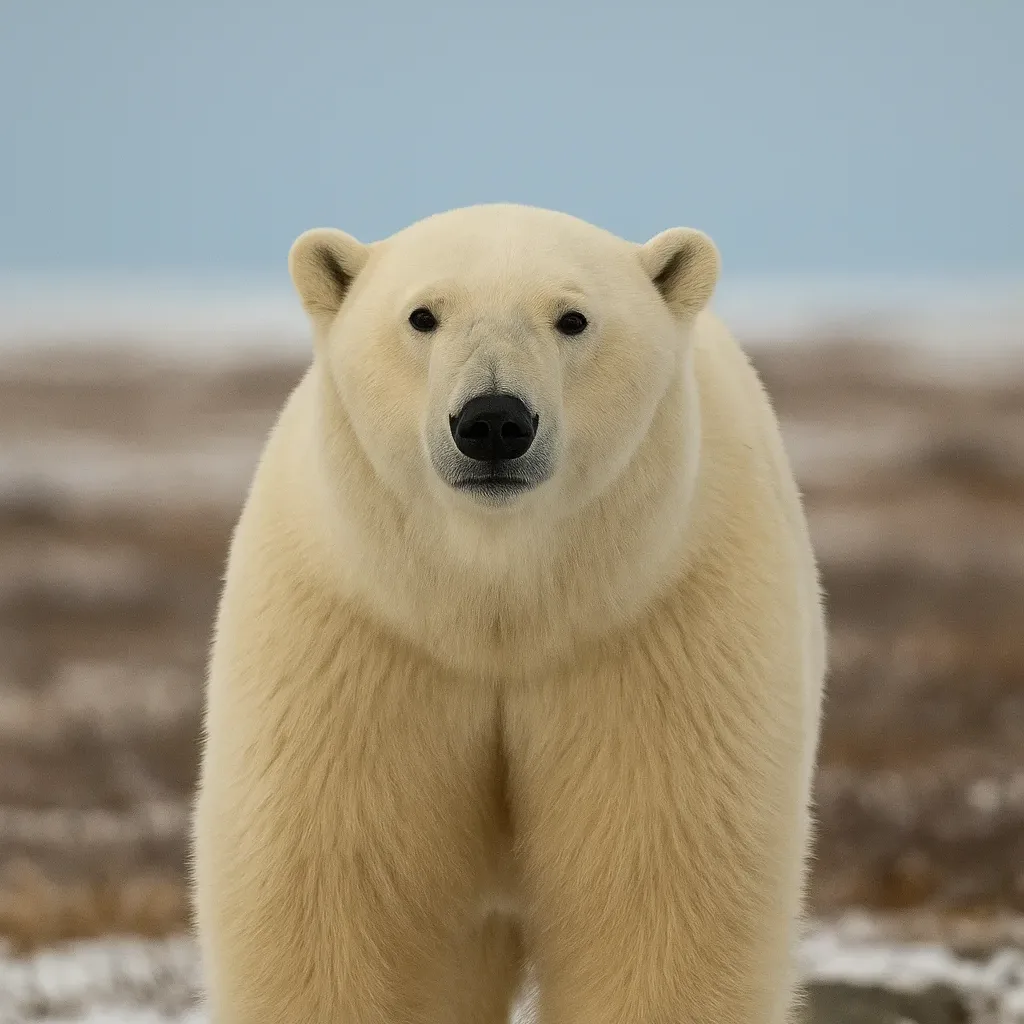
The polar bear, Ursus maritimus, stands out as the largest and one of the scariest bears in the wild. They are known for their immense size and strength, which make them formidable predators. These apex predators are highly adapted to the harsh Arctic environment, further emphasizing their fearsome reputation.
🔎 Key Takeaways
- The polar bear is considered the scariest bear due to its size and predatory capabilities.
- Its status as an apex predator highlights its formidable nature in the Arctic.
- Adult male polar bears can weigh between 900 to 1,600 pounds (roughly 410–720 kilograms), rivaling the weight of a small car.
- They have a bite force estimated to be among the strongest of land carnivores, making them several times stronger than a human bite.
🧬 Why It Happens
Polar bears have adapted to the Arctic environment with features that enhance their predatory capabilities. Their large size not only helps them conserve heat but also positions them at the top of the food chain, capable of taking down large prey like seals.
Their powerful limb muscles and massive paws allow them to traverse ice and snow with ease, often swimming long distances to reach prey. This ability to travel makes them relentless hunters across various terrains.
Polar bears possess an exceptional sense of smell, which allows them to detect prey nearly a mile away and beneath several feet of compacted snow. This keen sense, combined with their physical prowess, makes them highly efficient predators.
🌍 Where You Might See It
Polar bears are found throughout the Arctic Circle, including parts of Canada, Alaska, Greenland, Norway, and Russia. They primarily inhabit coastal areas and ice-covered seas, hunting seals on the ice floes and occasionally venturing on land.
⚠️ Practical Caution
- Maintain a safe distance to avoid drawing attention and provoking an approach.
- Stay calm and avoid sudden movements if you encounter a polar bear.
- Do not leave food or waste in areas where bears can access it, as this can attract them.
- Always follow local guidelines and regulations when in polar bear territory.
- Travel in groups whenever possible and carry deterrents as advised by local authorities.
- Stay informed about recent polar bear sightings in the area you plan to visit.
Remember, maintaining distance and adhering to local guidance are key to safely coexisting in polar bear habitats.
For more information on polar bears and other amazing wildlife, visit our homepage at AnimalsGuidebook.com.