🐾 Top 5 strongest bites in nature: Saltwater crocodile
Primary subject: Saltwater crocodile — Crocodylus porosus
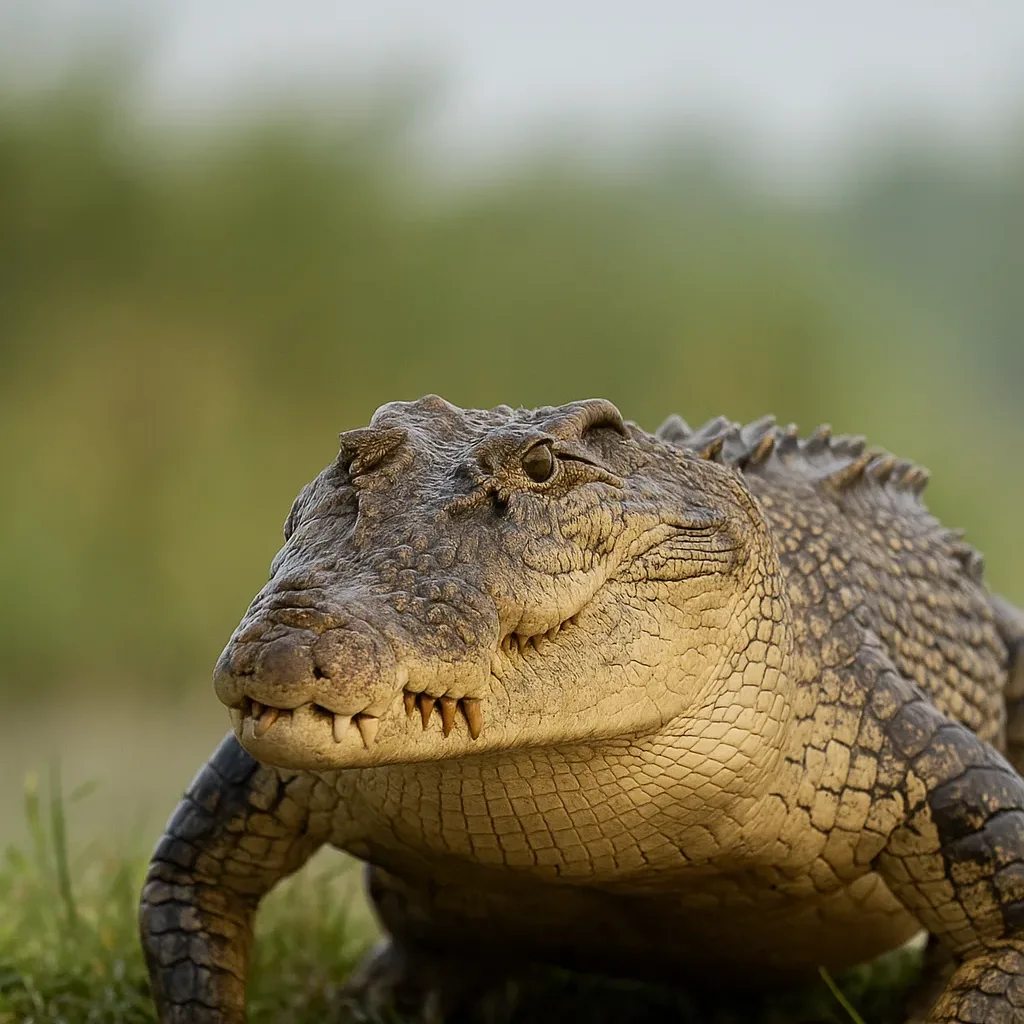
The saltwater crocodile, known scientifically as Crocodylus porosus, takes the crown for the strongest bite in nature. Thanks to its powerful jaws, this apex predator can exert a bite force exceeding that of any other living creature. Its immense strength is a crucial adaptation for capturing and subduing prey in its aquatic habitat.
🔎 Key Takeaways
- The saltwater crocodile has the strongest bite in nature.
- This is due to its powerful jaws and evolutionary adaptations as a top predator.
- The bite force of a saltwater crocodile is reported around 3,700 psi (pounds per square inch).
- This force is several times stronger than that of a lion or any other big cat.
🧬 Why It Happens
The jaw-closing muscles of the saltwater crocodile are highly developed, allowing it to apply incredible pressure. This adaptation enables them to capture large and struggling prey, ensuring a quick and efficient kill. Their conical teeth are designed to grip and hold rather than slice, which complements their biting strength.
Interestingly, while their bite force is extremely powerful, the muscles responsible for opening the jaws are relatively weak. This unique combination highlights a specialized adaptation focused on closing force. Studies estimate that the bite force of a saltwater crocodile can reach about 3,700 psi, making it an unrivaled predator in terms of biting strength.
The size of the saltwater crocodile also plays a role in its formidable bite. Adult males can grow over 23 feet in length and weigh more than 2,200 pounds. This massive size not only supports their powerful muscles but also demands such strength to efficiently hunt and protect their territory.
🌍 Where You Might See It
Saltwater crocodiles are native to brackish and freshwater regions of eastern India, Southeast Asia, and northern Australia. Often found lurking in mangrove swamps, estuaries, and coastal areas, these crocodiles are ambush predators. They typically strike swiftly at any prey that ventures too close to the water’s edge or swims in their vicinity.
⚠️ Practical Caution
- Avoid swimming or wading in water known to be inhabited by saltwater crocodiles.
- Maintain a safe distance from the water’s edge in crocodile-inhabited regions.
- Be aware of warning signs and follow guidance from local authorities or wildlife experts.
- Stay in groups and remain vigilant when near potential crocodile habitats.
- Do not provoke or approach crocodiles; they can strike with startling speed both in water and on land.
- Exercise caution when launching or retrieving boats in areas inhabited by these animals.
In general, maintaining a respectful distance and being aware of your surroundings can significantly reduce the risk of crocodile encounters. Always adhere to guidance from local wildlife authorities.
Visit AnimalsGuidebook.com for more insightful articles about the fascinating creatures of our world.